
Ruby-Like Gems Found on Mars
A remarkable new scientific discovery has revealed the presence of fluorescent, ruby-like minerals on Mars. Known as Ruby-Like Gems Found on Mars, this is the first time such gem-like characteristics have been identified on the Red Planet. The finding has attracted global attention and offers new insights into the geological history of Mars while also capturing the interest of gemstone enthusiasts.
Although these materials are not true gemstones, their visual similarity to rubies, especially in color and fluorescence, makes this discovery both scientifically important and visually fascinating. The discovery of Ruby-Like Gems Found on Mars continues to spark curiosity across both scientific and gemological communities.

What Are Ruby-Like Gems?
A natural ruby is a variety of corundum composed of aluminum oxide. Its rich red color is caused by trace elements within the crystal structure. Rubies are valued for their durability, brilliance, and ability to fluoresce under certain lighting conditions.
The newly identified minerals on Mars display similar optical properties, particularly fluorescence, which gives them a ruby-like appearance. However, their composition differs significantly from true rubies found on Earth.
R14400| play | middle| “10.03 Ct. Ruby from Mozambique”
The Discovery on Mars
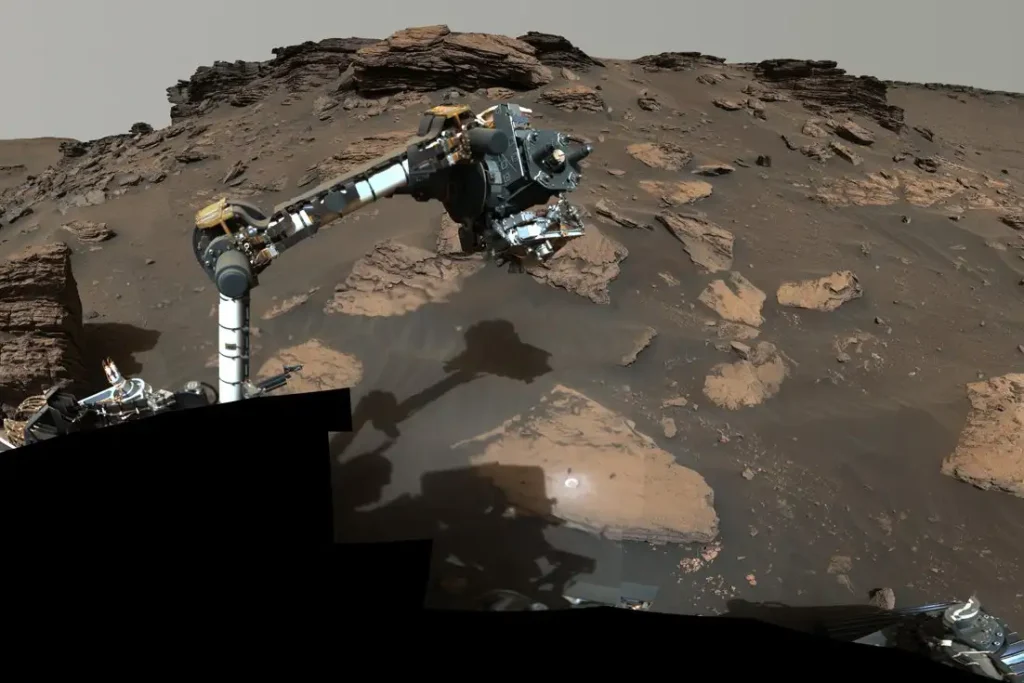
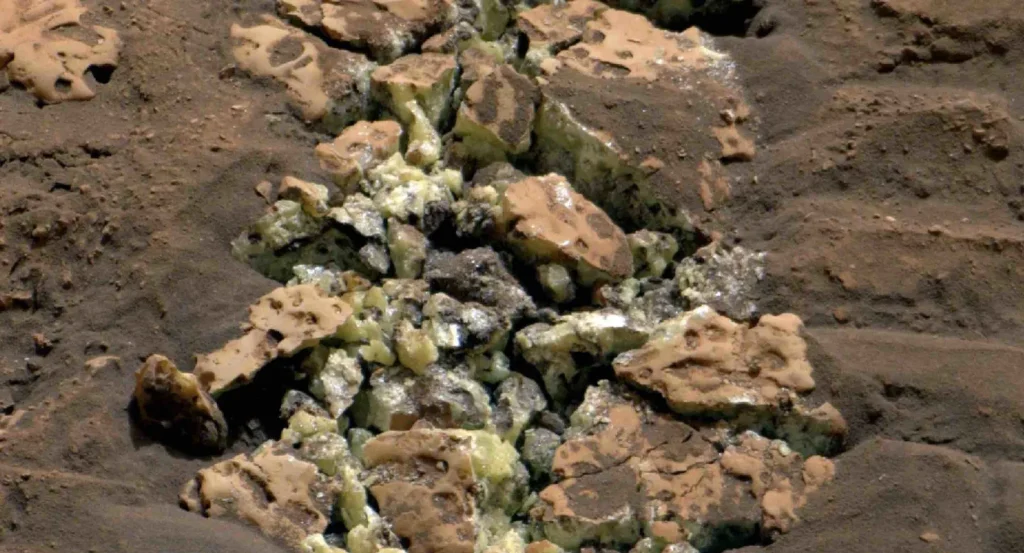
Scientists identified these unusual minerals through advanced analysis of data collected from the Martian surface. The materials are believed to belong to a group of iron-rich sulfate compounds formed under unique environmental conditions.
These minerals were detected in regions associated with ancient geological activity where evidence suggests the past presence of water. Their interaction with light, especially their ability to fluoresce, is what gives them a gem-like appearance.
How Did These Minerals Form?
The formation process of these ruby-like minerals is very different from that of natural rubies on Earth. Instead of forming deep within the Earth under high heat and pressure, these minerals developed through environmental changes on Mars.
The process likely involved ancient water deposits followed by evaporation and chemical reactions that left behind sulfate-rich minerals. Later exposure to heat and oxidizing conditions altered their structure and contributed to their present form.
This formation process highlights the complexity of Mars’ geological history.
Why Do They Glow Like Rubies?
One of the most interesting features of these minerals is their fluorescence. Under certain conditions, they absorb light and re-emit it as a visible glow.
This effect is similar to what is observed in natural rubies, although the chemical causes are different. The fluorescence enhances their visual appeal and is the main reason they are described as ruby-like.
Scientific Importance of the Discovery
This discovery provides valuable scientific insights and contributes to a better understanding of Mars in several ways.
Evidence of Water Activity
The presence of sulfate minerals supports the idea that liquid water once existed on Mars.
Insight into Planetary Evolution
These minerals provide clues about changes in temperature, chemistry, and environmental conditions over time.
Potential for New Mineral Classification
The materials may represent a previously unknown mineral type, expanding the field of planetary geology.
Relevance to Astrobiology
The conditions required to form these minerals, including water, heat, and chemical interactions, are also important in studying the potential for past life on Mars.
Are These True Gemstones?
Despite their appearance, these materials are not true gemstones. They are not composed of corundum and do not meet the criteria for gem-quality rubies.
They are scientifically significant minerals that display visual properties similar to gemstones. Their importance lies in research rather than commercial use.
What This Means for Gem Enthusiasts
For gemstone enthusiasts, this discovery highlights how natural beauty can exist beyond Earth. It demonstrates that gemstone-like effects such as color and fluorescence can occur in entirely different environments.
While these materials are not suitable for jewelry, they provide a broader perspective on how nature creates visually striking formations.
R10321| play | middle| “6.06 Ct. Ruby from Mozambique”
S3668| play | middle| “10.02 Ct. Ruby from Mozambique”
R15056| play | middle| “10.40 Ct. Ruby from Thailand”
Conclusion
The discovery of ruby-like fluorescent minerals on Mars, often described as Ruby-Like Gems Found on Mars, represents an important step in scientific research. It offers valuable insights into the planet’s past and expands our understanding of how gem-like properties can form under different conditions.
As exploration continues, discoveries like this will deepen our knowledge of both planetary science and natural mineral formation, showing that remarkable beauty is not limited to Earth.
A Thought to End On
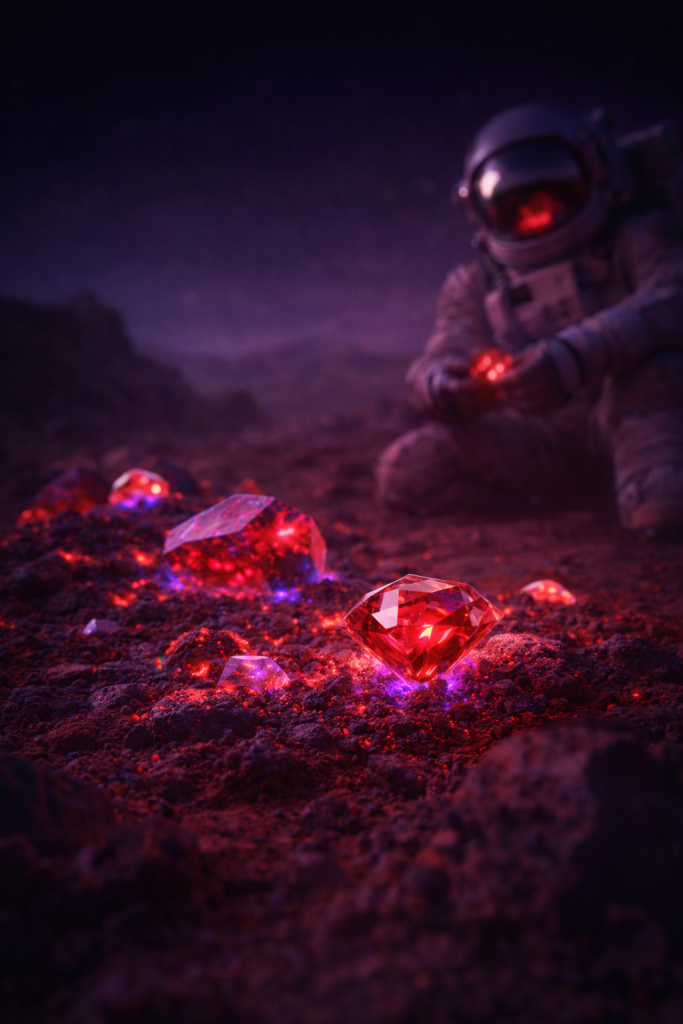
Now imagine this for a moment. What if these ruby-like minerals on Mars turned out to be just as valuable as the finest rubies on Earth?
Would we one day see “Martian Ruby Collections” featured in luxury jewelry stores? Or perhaps future gem hunters booking space flights instead of mine visits?
“Next shipment arriving from Mars, please allow 3 to 5 years for delivery.”
While that reality may still be far away, it certainly sparks the imagination. For now, we will keep our feet on Earth and continue to admire the beauty of natural rubies from our own planet. But who knows what the future holds?
One thing is certain. Whether on Earth or beyond, the fascination with gemstones continues to grow, even reaching as far as the stars.
Will you wait for Mars to start shipping rubies, or explore the finest ones we already have on Earth? If you’re ready, click HERE to discover our best ruby collection.