
What Do Inclusions Tell Us About a Natural Ruby?
What do inclusions tell us about a natural ruby? Inclusions are the tiny crystals, needles, fluid trails and growth lines trapped inside a ruby as it forms, and gemologists read them as evidence. They help confirm that a stone is natural and not synthetic, show whether it has been heated or otherwise treated, and can support an opinion about where it was mined. In most natural rubies they are a sign of authenticity and history, not a defect, and their effect on value depends on how visible they are and whether they affect durability.
What Is an Inclusion?
An inclusion is any material or feature trapped inside a gemstone as it formed or afterward. In ruby, inclusions can be:
- Solid: tiny crystals of other minerals, or of corundum itself.
- Liquid or gas: fluids trapped in cavities, often in healing fractures.
- Structural: growth lines, twinning planes, and color zoning that record how the crystal grew.
Rubies form deep in the earth over long periods, under heat and pressure, in environments rich in other minerals. It would be surprising if they did not capture some of their surroundings.
Common Inclusions in Natural Rubies
Rutile Silk
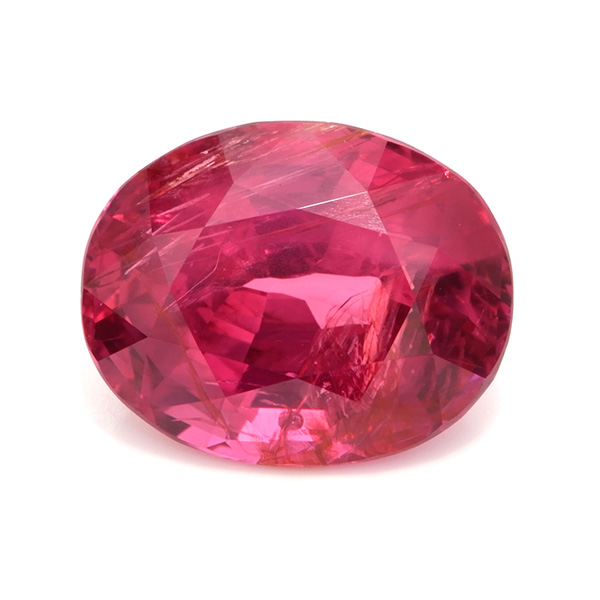
One of the best-known ruby inclusions is “silk”: fine needles of rutile, a titanium dioxide mineral. These needles often intersect at angles that follow the hexagonal symmetry of corundum. When present in moderate amounts, silk can scatter light softly across the stone, spreading color and giving a velvety appearance. When dense, it can make the stone look hazy.
Very fine, intact silk can also be a useful clue that a ruby has not been subjected to high-temperature heating, because strong heat can partially dissolve rutile needles.
Fingerprints and Feathers
Healed fractures often look like fingerprints: networks of tiny fluid droplets arranged in swirling patterns. They form when a crack in the crystal partly heals over time inside the earth. Unhealed fractures, called feathers, can look like white, reflective planes. Feathers that reach the surface may affect durability, so they are worth discussing with your jeweler.
Crystal Inclusions
Small mineral crystals trapped inside a ruby can include minerals such as calcite, apatite, spinel, or other corundum crystals, depending on where the ruby formed. Gemologists can identify some of these with specialized instruments, which may help indicate the type of geological environment the ruby came from.
Color Zoning and Growth Lines
As a ruby crystal grows, changes in the chemistry around it can leave bands of stronger and weaker color, or straight, angular growth lines. Angular zoning that follows the crystal faces is typical of natural growth. Curved color banding, by contrast, is a classic sign of some older synthetic production methods.
How Inclusions Help Separate Natural From Synthetic Rubies
Synthetic rubies have the same chemistry and crystal structure as natural ruby, so they cannot be identified by hardness or color alone. Inclusions are among the most important tools for telling them apart.
Natural rubies typically show inclusions consistent with slow growth in rock: mineral crystals, natural fingerprints, and angular zoning. Synthetic rubies may show curved growth lines, gas bubbles, or residues from the growth process. Many modern synthetics are very clean, which is one reason an exceptionally flawless ruby deserves careful testing.
Identification can be complex. For significant purchases, a report from an independent gemological laboratory is the most reliable way to confirm a ruby is natural.
Turn the Stone: Handheld Videos
Watch these rubies move and notice where the stone looks clean, where it looks silky and how the red holds up from different angles.
What Inclusions Reveal About Treatment
Heat treatment is common in ruby and is generally accepted when disclosed. Heating can improve color and reduce the visibility of silk. It can also leave signs that trained gemologists recognize, such as altered silk, or crystal inclusions surrounded by small stress fractures where they expanded during heating.
Other treatments leave different evidence. In lead-glass-filled rubies, for example, fractures are filled with a high-lead glass that greatly improves apparent clarity. Under magnification, these may show flattened gas bubbles in the filled areas and a bluish or orangey flash effect along fractures. These stones require special care and have a very different value from untreated or heat-only rubies, which is why clear disclosure matters.
Can Inclusions Indicate Origin?
Inclusions, combined with chemical analysis and spectroscopy, help laboratories estimate where a ruby was mined. Rubies from marble-hosted deposits, for instance, tend to differ in chemistry and inclusion types from rubies associated with basaltic rocks. Origin determination is an expert opinion based on many data points, not a single inclusion, and it is best left to specialized laboratories.
For how origin shapes the look of a ruby beyond its inclusions, see Why Are No Two Natural Rubies Exactly Alike?.
Do Inclusions Lower a Ruby’s Value?
It depends on how they affect the stone. Inclusions that are small, invisible to the unaided eye, and do not reduce brightness or durability generally have little effect on beauty. Some, like fine silk, may even improve the way light spreads through the gem.
Inclusions that make a stone look cloudy, create large dark areas, or reach the surface in ways that risk chipping will usually lower value. The ideal is not a perfectly clean ruby, but one where the inclusions sit comfortably within a beautiful, durable gem.
Inclusions and Clarity: Our Highest-Priced Rubies
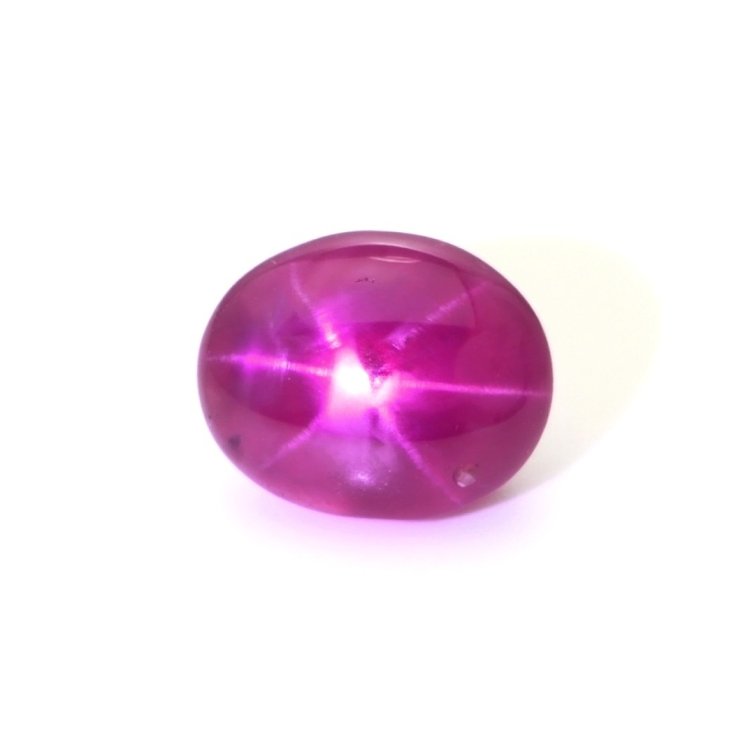
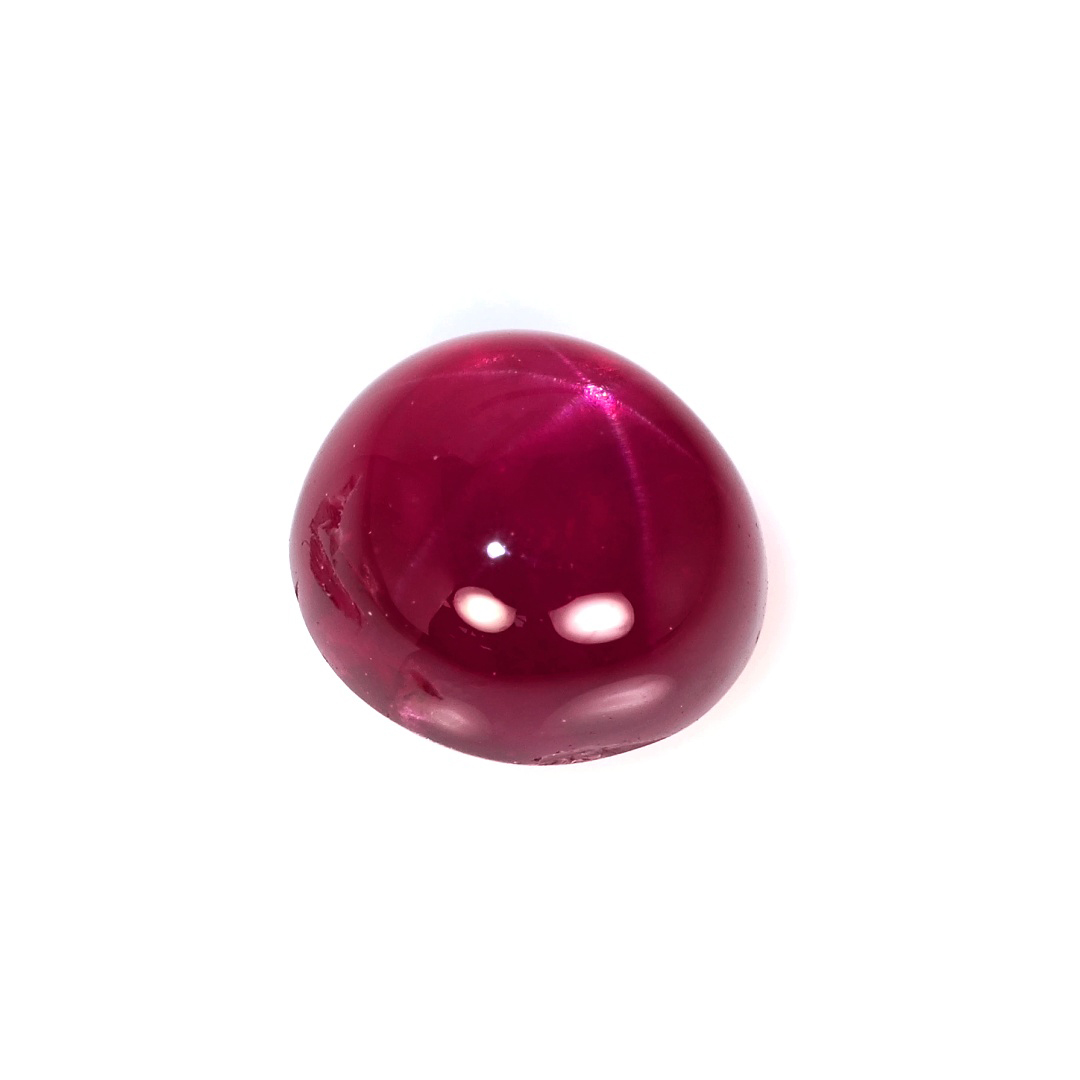
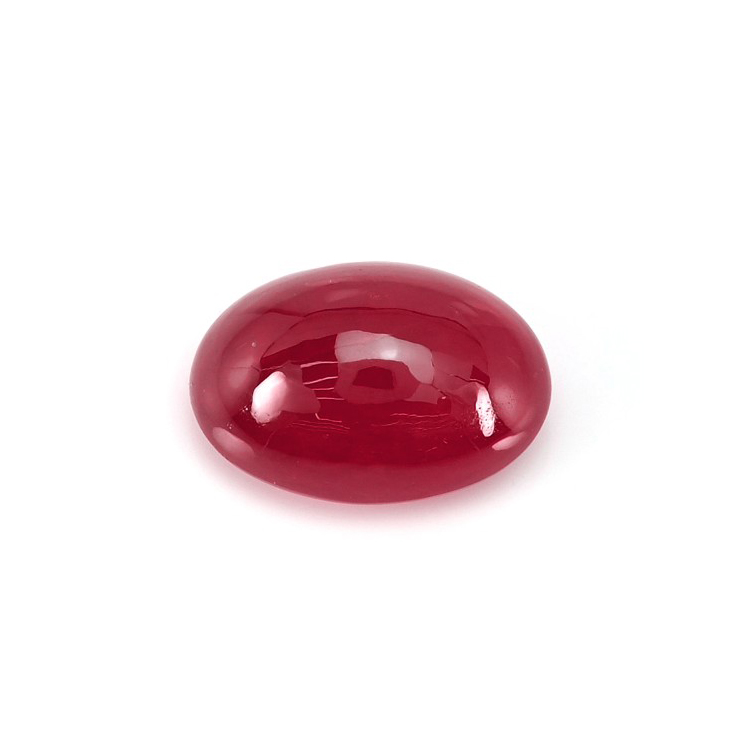
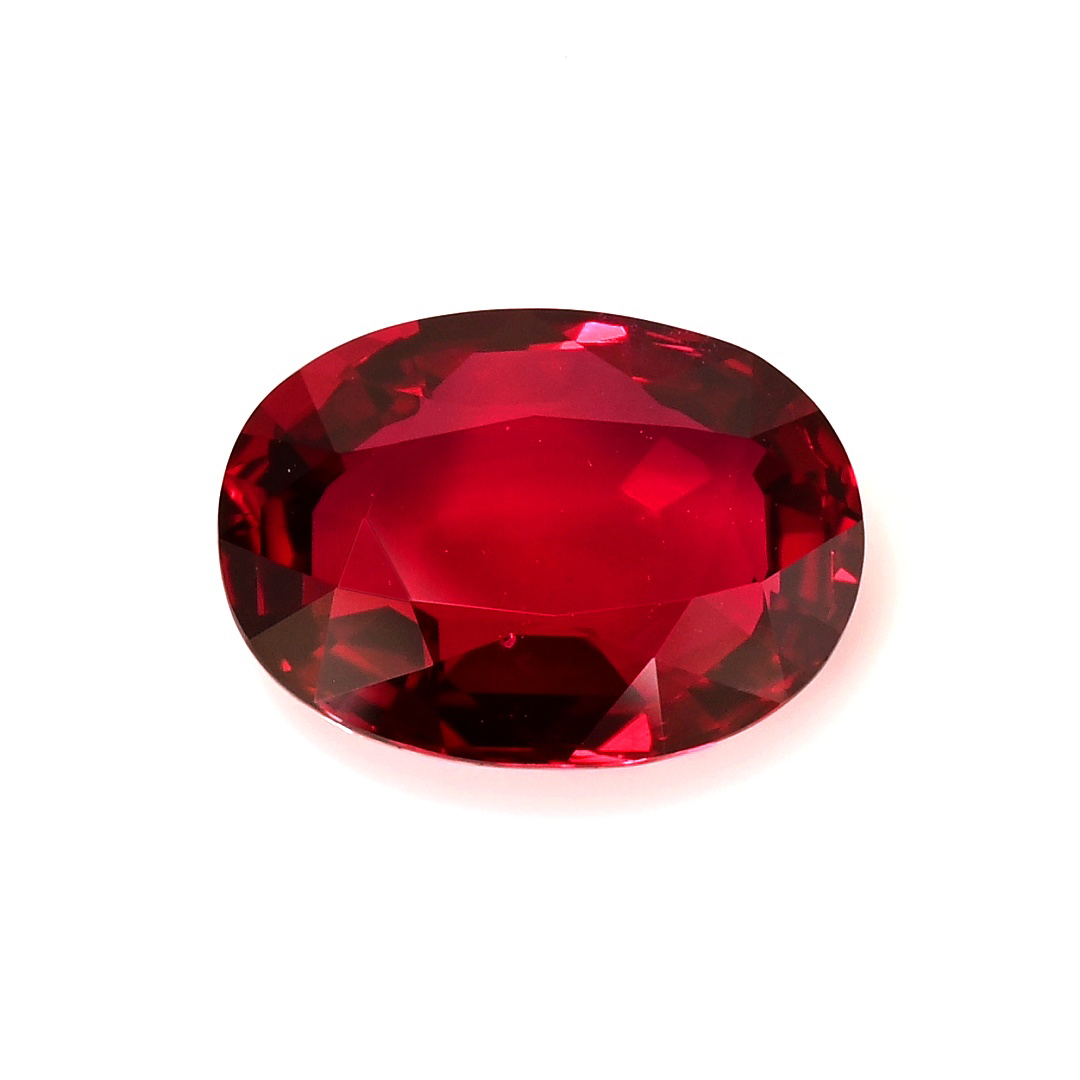
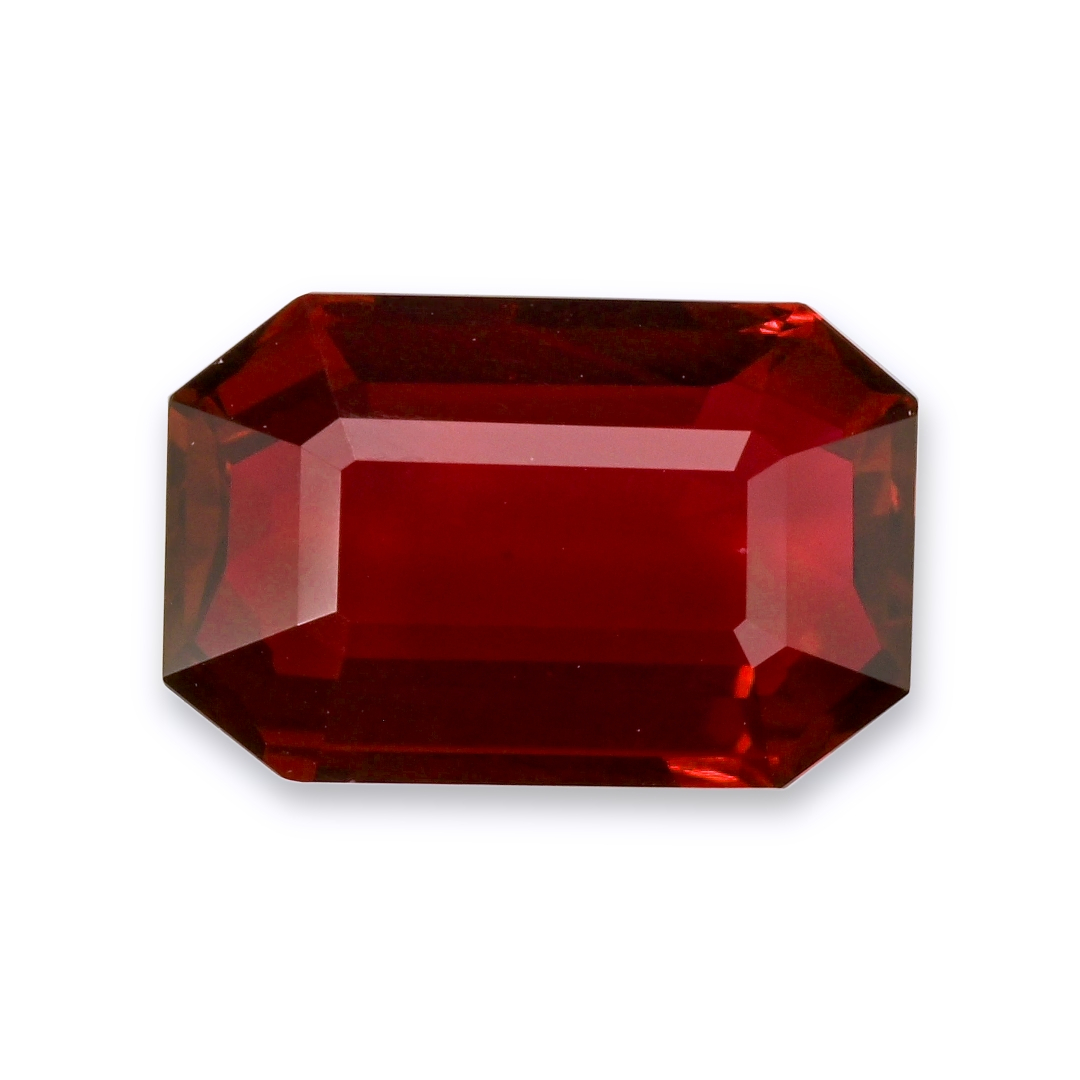
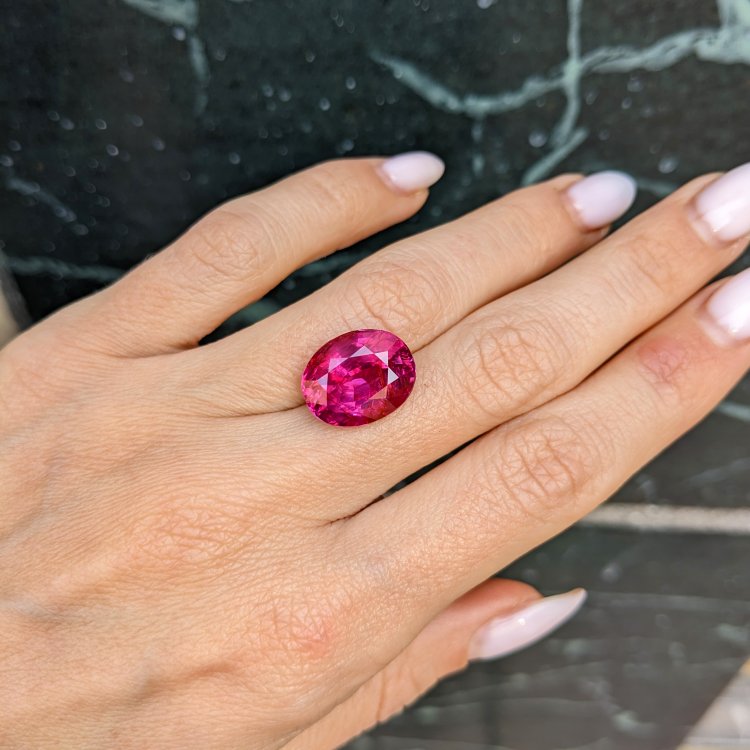
Three of the highest-priced rubies in our inventory at the time of writing, from Burma (Myanmar) and Mozambique, on white and on the hand. Use the links for each stone’s clarity grade and current details.
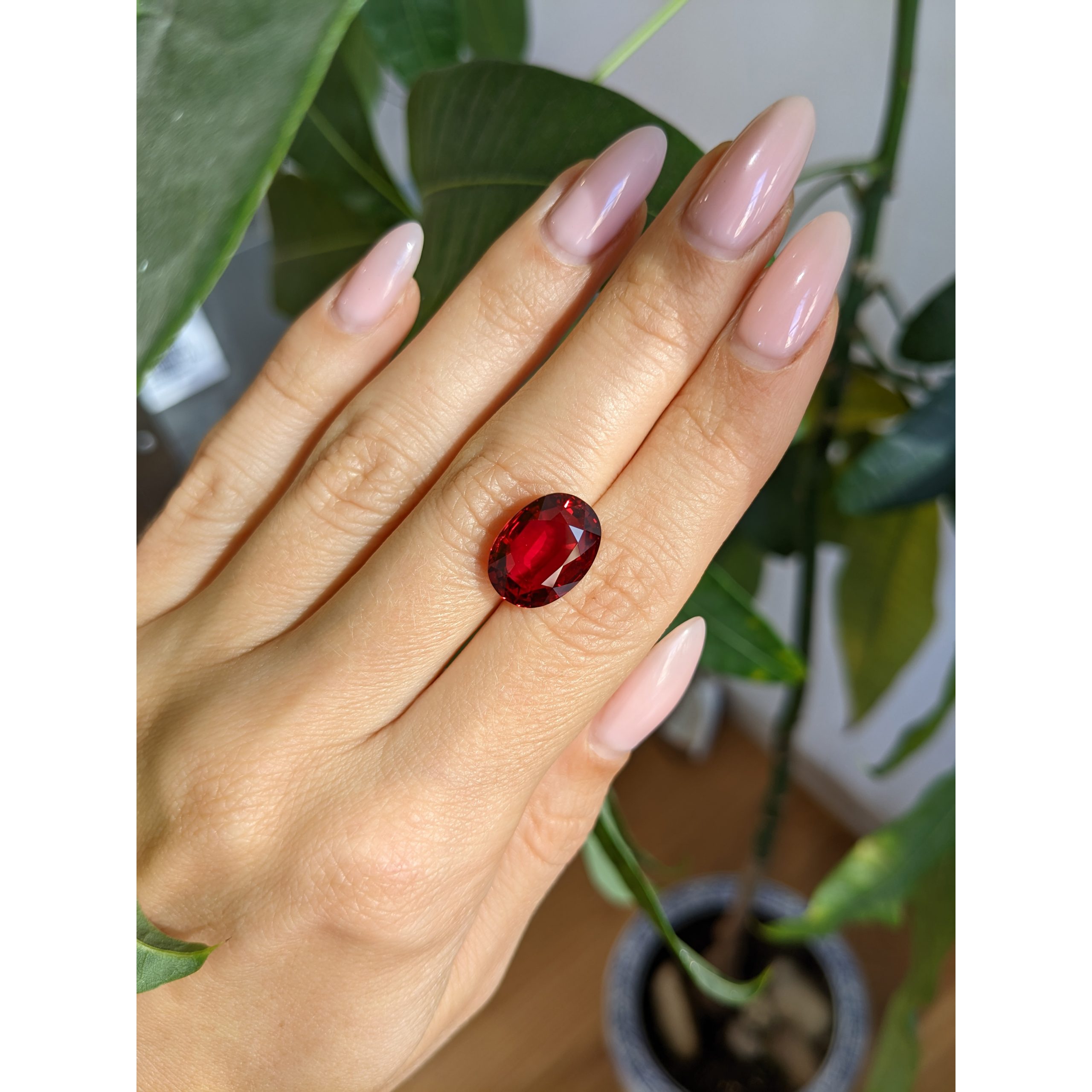
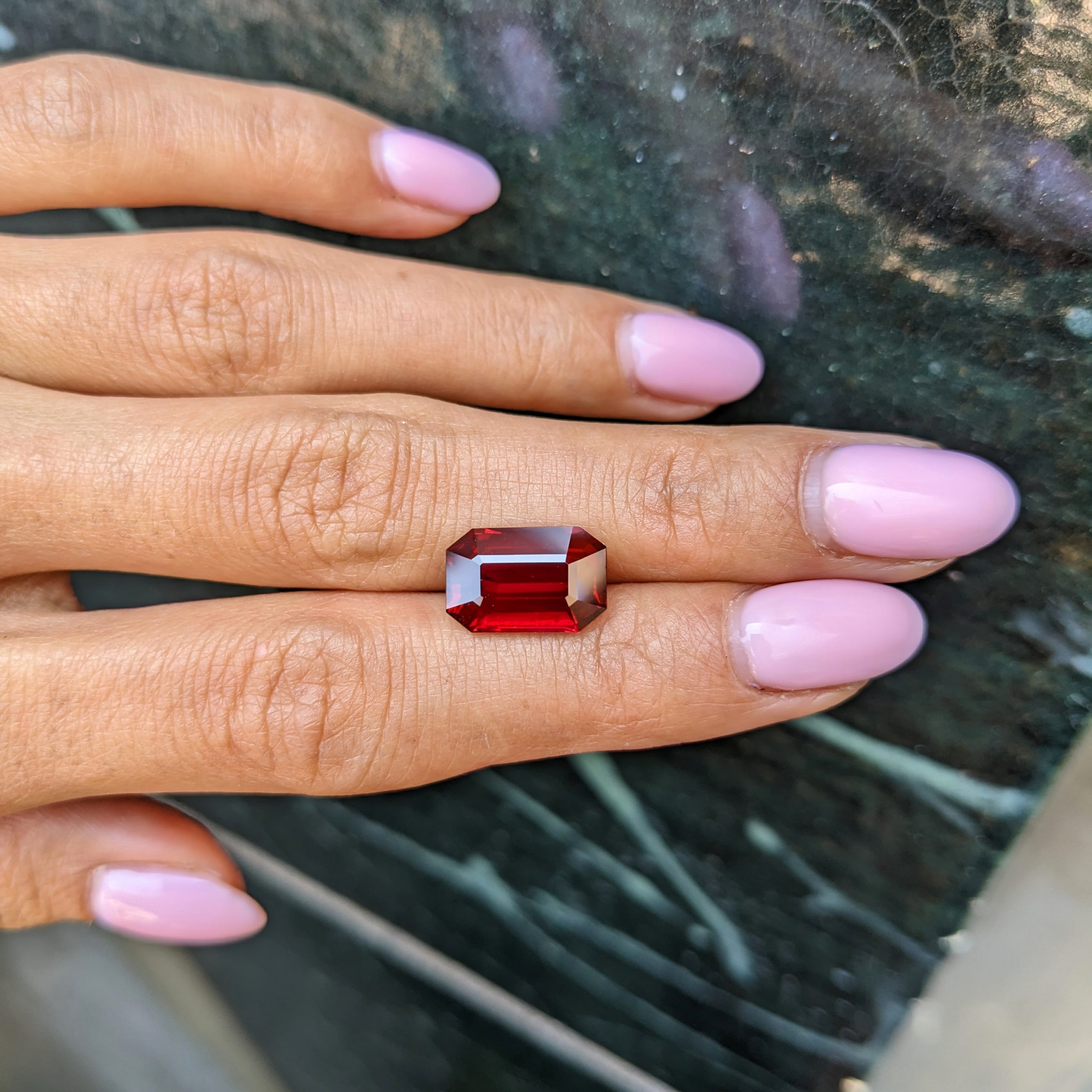
Reading Clarity Grades on Real Rubies
Every ruby page in our inventory states a clarity grade and an enhancement status, and the two tell different stories. Take three unenhanced stones. The 2.61 ct Burmese oval cabochon R2775 is listed as Very Slightly Included, and the 1.69 ct Burmese round cabochon R14235 as Included. Both are listed as star rubies with no enhancement, and in a star ruby the fine, aligned rutile silk is what produces the star, so the inclusion is the feature being admired. A lower grade there is not a verdict on beauty.
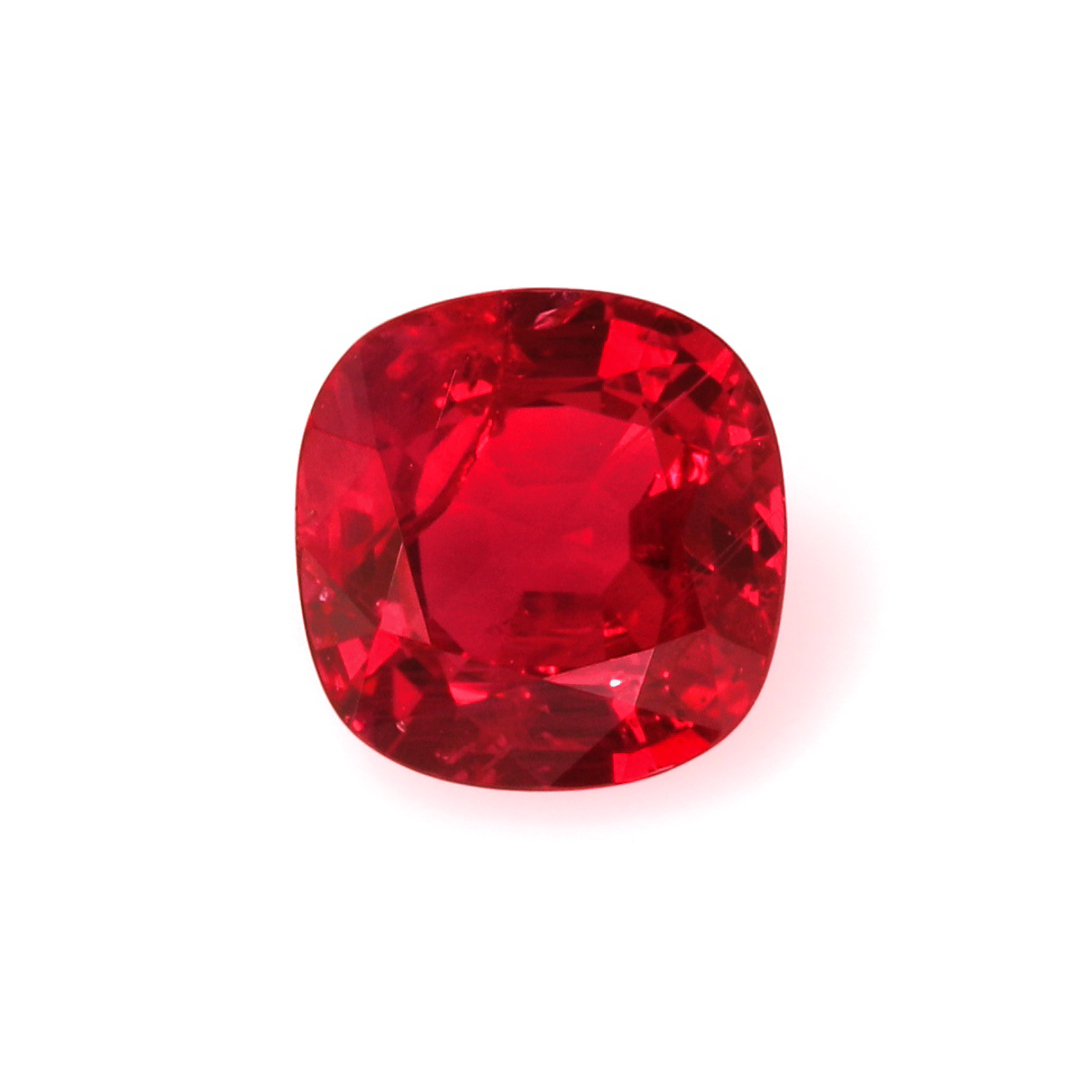
On a faceted stone, inclusions are judged differently, by whether they dull the brightness. The 1.60 ct Mozambique cushion R13656 is listed as Slightly Included, Vivid red and No Enhancement. For comparison, the 1.11 ct Burmese round R13730 is listed as Very Slightly Included and Heat Treated, while the 1.08 ct Mozambique round R14772 is Eye Clean with No Enhancement. Clarity and treatment are separate facts, and both are worth weighing alongside color. If you would like to talk through what is inside a specific stone, our team is happy to do so.
Frequently Asked Questions
Does every natural ruby have inclusions?
Nearly all natural rubies contain some inclusions, though many are visible only under magnification. A ruby that seems completely flawless should be examined carefully to confirm it is natural.
What is ruby silk?
Silk refers to fine needles of rutile inside the ruby. In moderation, silk can soften and spread the color; in excess, it can cause haziness.
Can inclusions show whether a ruby has been heated?
They can provide strong clues. Altered silk and stress fractures around crystals are signs gemologists look for, but confirmation usually requires laboratory testing.
Are inclusions a sign of a fake ruby?
Typically the opposite. Natural inclusions are among the best evidence that a ruby formed in the earth. Synthetic rubies can have inclusions too, but they are usually of different types.
Conclusion
Ruby inclusions are much more than imperfections. They are clues that help confirm a ruby is natural, hint at how and where it grew, and reveal whether it has been treated. Learning to read them turns a ruby from a red stone into a small piece of geological history.
When you are choosing a ruby, we are always glad to talk through what is inside a particular stone and what it means for its beauty and care. Explore our natural rubies at thenaturalrubycompany.com.