
- Stone8
- Reports3
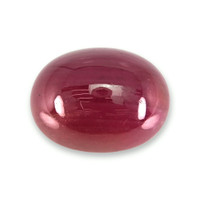
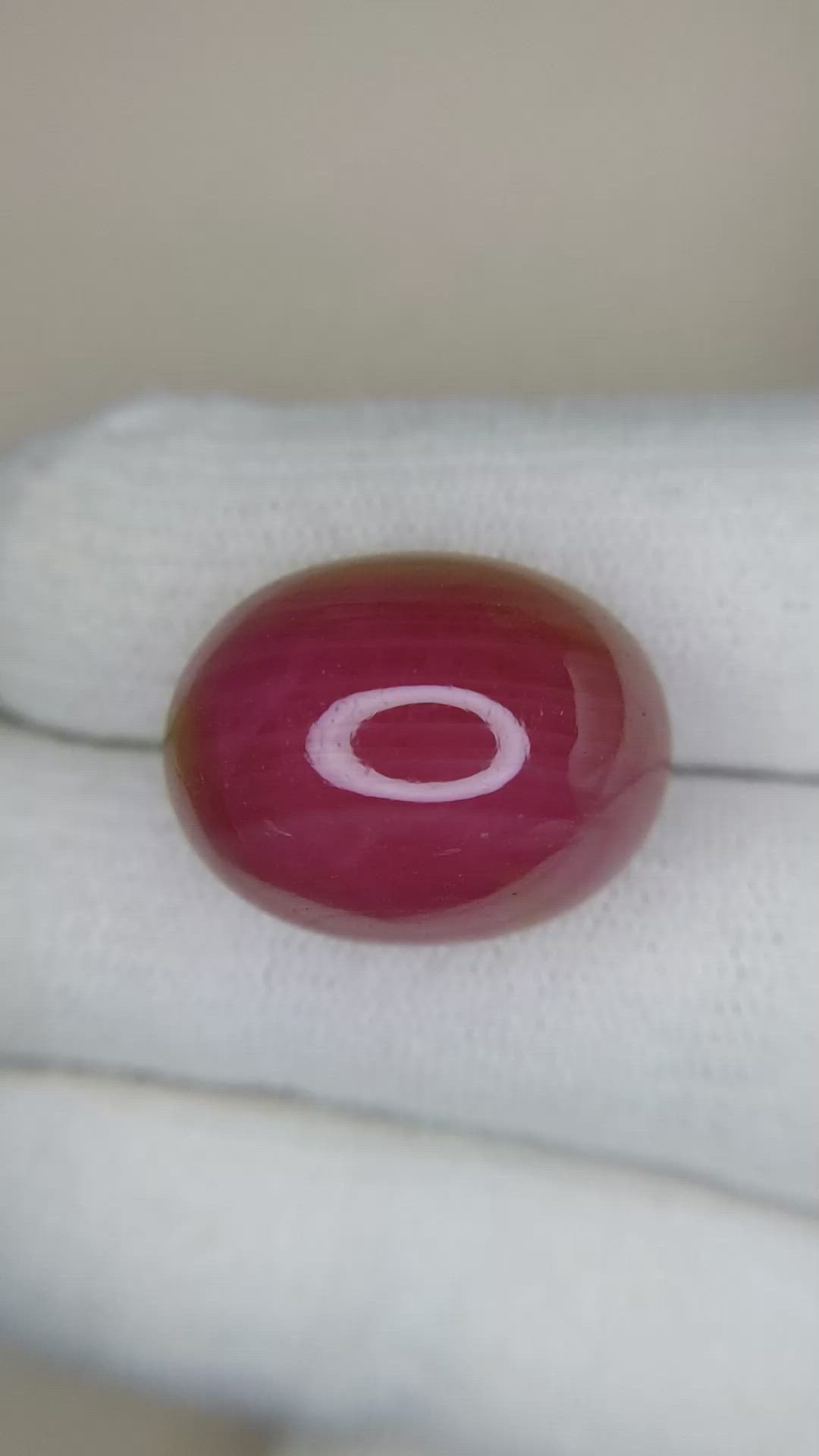
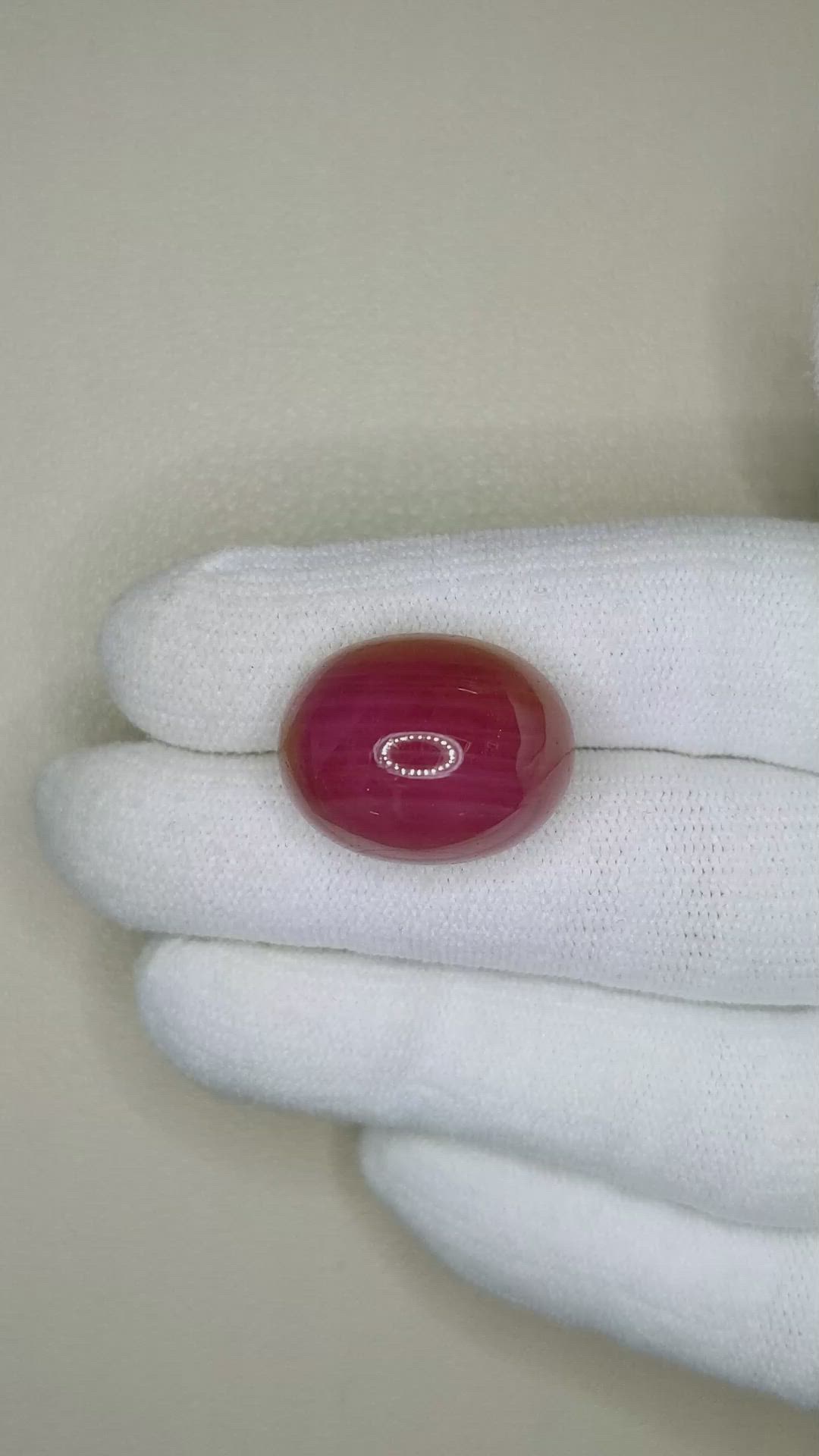

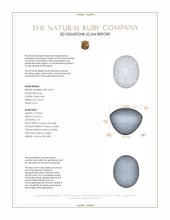


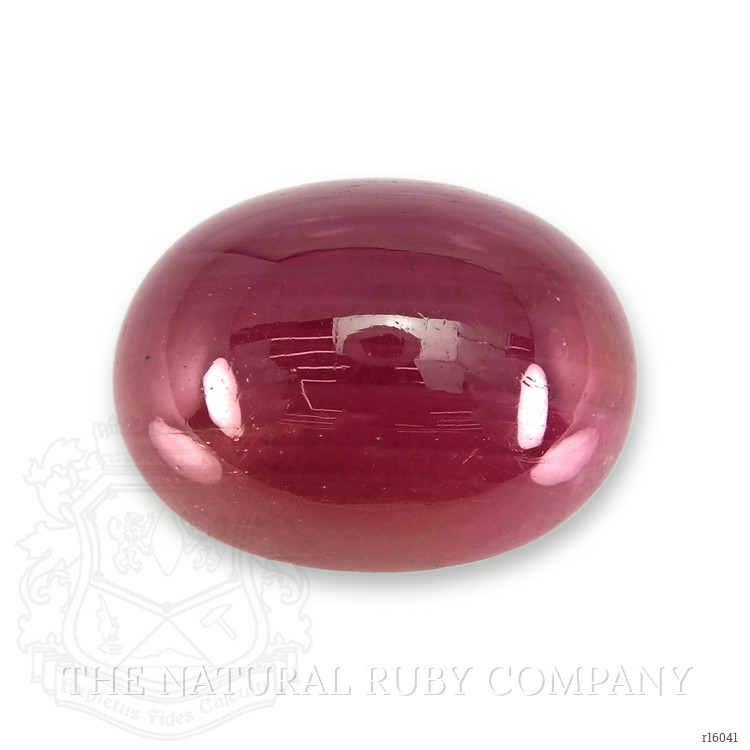

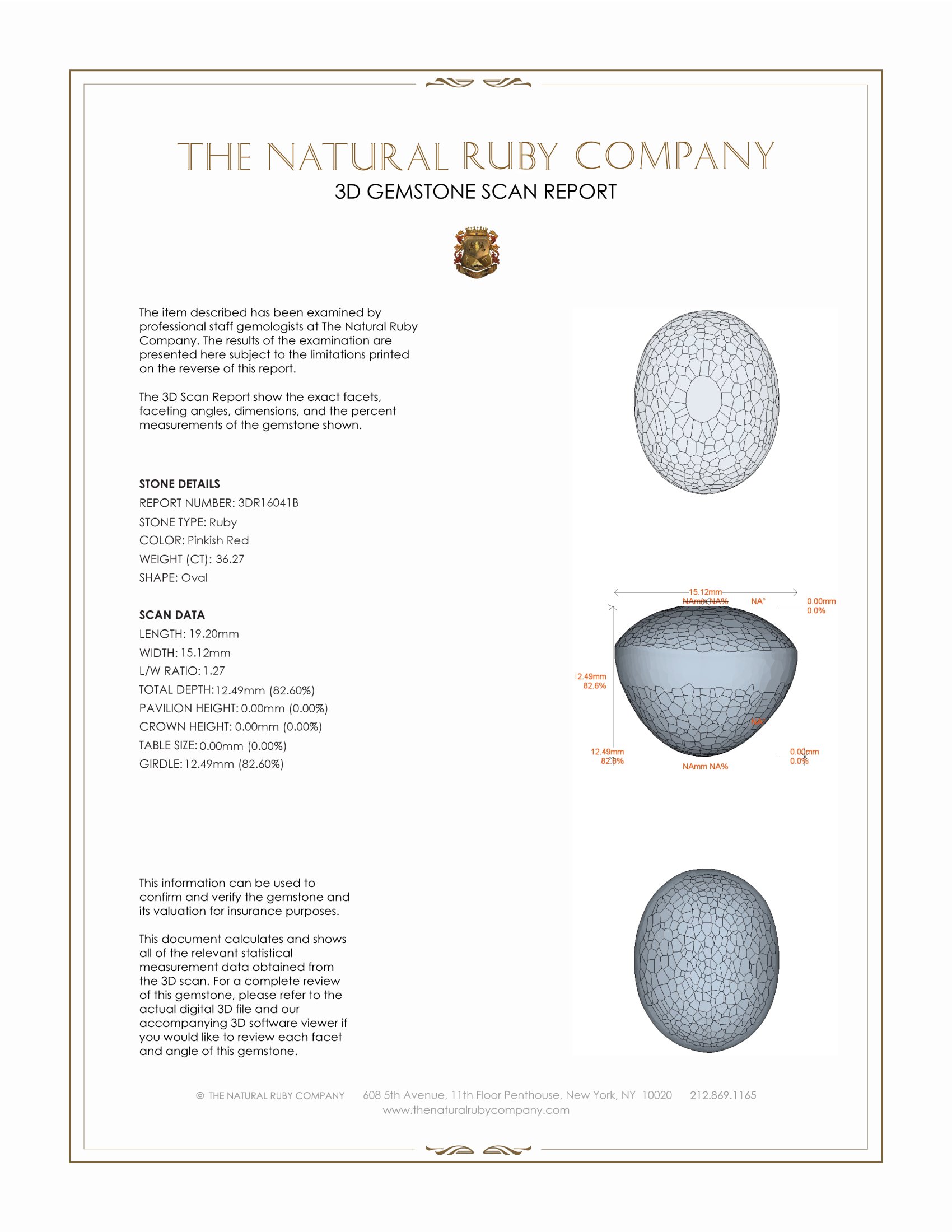
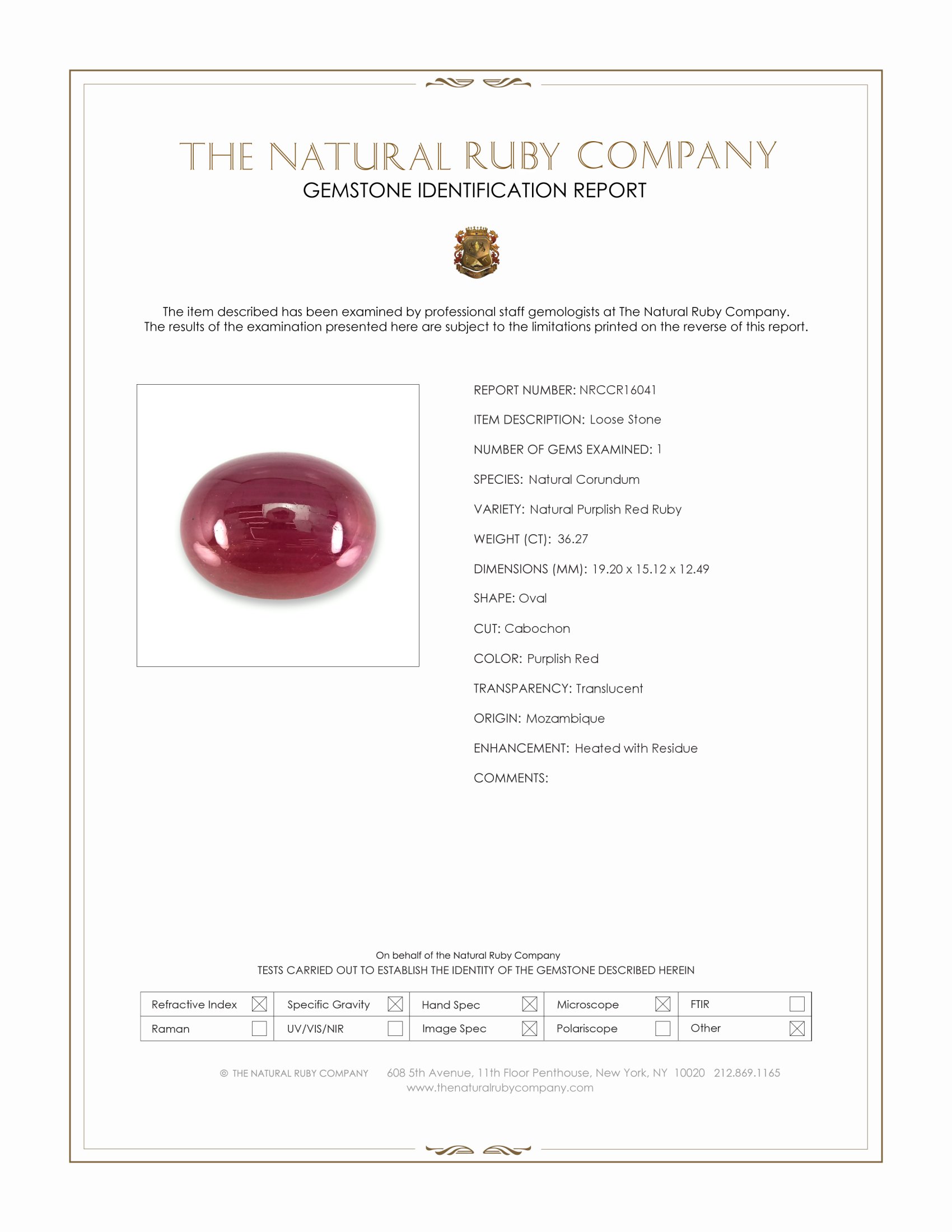
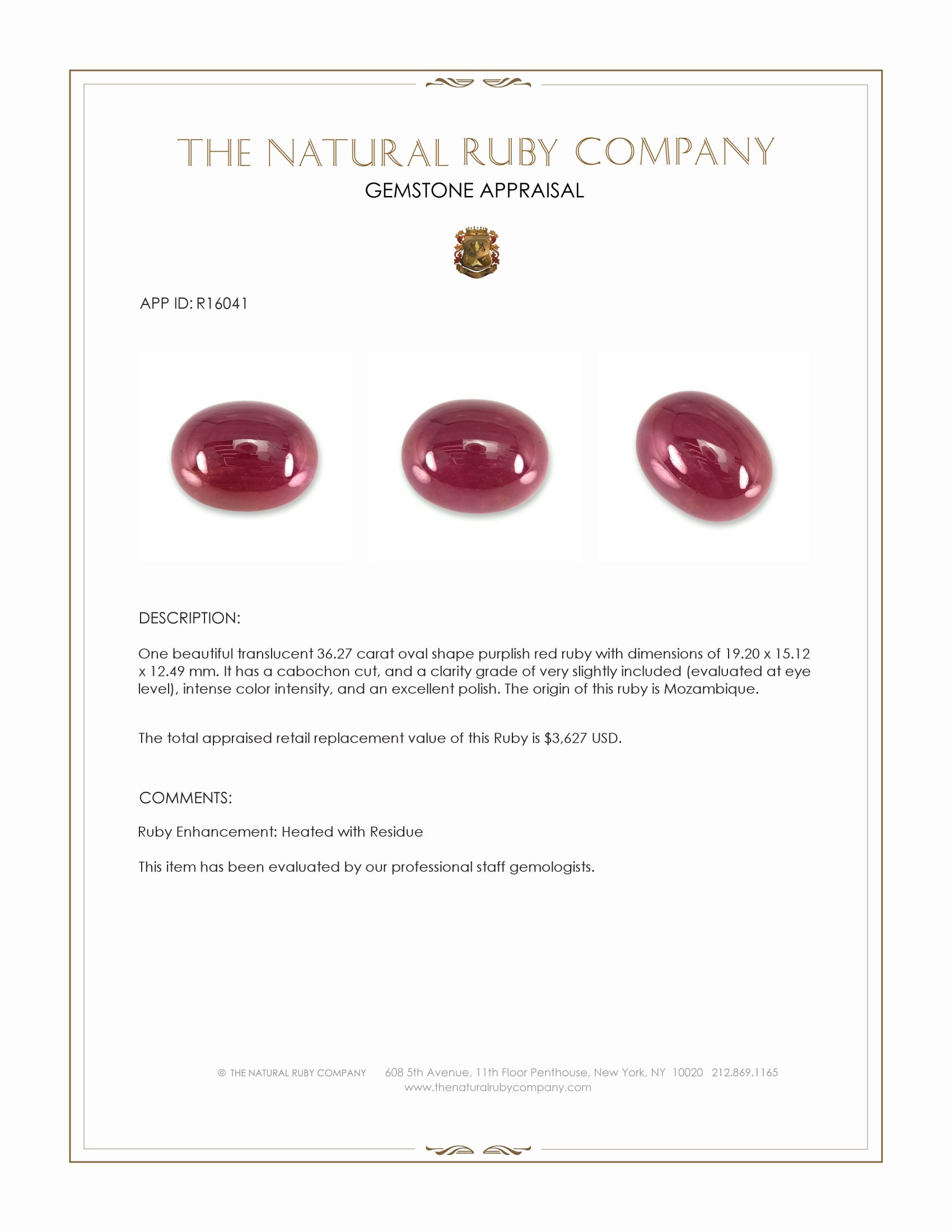
36.27 Ct. Purplish Red Cabochon Ruby from Mozambique
This loose stone ships by Nov 11
Item ID: | R16041 |
|---|---|
Dimensions (MM): help | Length: 19.2 Width: 15.12 Height: 12.49 |
Weight: | 36.27 Ct. |
Color: help | Purplish Red |
Color intensity: help | Intense |
Clarity: help | Very Slightly Included |
Shape: help | Oval |
Cut: | Cabochon |
Cutting style: | Cabochon |
Enhancements: help | Heated with Residue |
Origin: help | Mozambique |
Per carat price: help | $100 |
This offering from The Natural Ruby Company is a striking, translucent ruby weighing 36.27 carats, oval in outline, with dimensions of 19.20 by 15.12 by 12.49 mm, presented in a traditional cabochon cutting style. The cabochon finish accentuates the stone body color and the internal glow, while the cutting proportions display excellent polish across the dome and girdle. Clarity is graded as very slightly included when evaluated at eye level, which in practice means the stone presents with minimal visible inclusions that do not detract from the overall visual impact, and which can in fact add character and a fingerprint of natural origin. Color intensity is classified as intense, and the dominant hue reads as purplish red, a tone that carries both red richness and a subtle violet component. Enhancement is fully disclosed as heated with residue, a common treatment that stabilizes and intensifies color, and which may leave traces visible to gemological testing or under magnification. The documented origin is Mozambique, a source that has produced some of the most important ruby finds of the last two decades, and provenance from Mozambique is an important factor in both aesthetic and market valuation.
From a gemological grading perspective this ruby presents several attributes that an educated buyer will value. The combination of a large carat weight and a cabochon execution puts emphasis on color and translucency rather than faceted brilliance, and that choice is deliberate for stones with a velvety internal glow. The intense purplish red tone benefits from the cabochon dome, which enhances depth of color and yields a uniform visual field at typical viewing distances. The very slightly included clarity grade signals natural internal features that are expected in rubies of this size and origin, and the excellent polish means light disperses evenly across the surface which enhances perceived color saturation. Heat treatment is the industry standard for most rubies, applied to improve or stabilize color and to heal internal fissures, and buyers should understand that heat treated rubies, when properly disclosed, remain desirable and valuable, particularly when the treatment is disclosed and the provenance is well documented. We note the presence of residue after heating, which can indicate flux assisted healing or residual surface deposits, and this is included to ensure full transparency in condition and to assist collectors in assessing potential further treatment or cleaning.
When comparing hue and tone to rubies from other famous localities, the differences are instructive for valuation and for visual expectation. Classic Burmese rubies from Mogok and the adjacent regions are often described as pure vivid red, sometimes pigeon blood in the highest quality, with minimal purple component and a characteristic fluorescence that can intensify perceived color under daylight. By contrast this Mozambique ruby leans more toward purplish red, introducing a cooler undertone that can be especially appealing to connoisseurs who prefer a balance between classic red and a touch of violet. Thai rubies have historically trended toward darker brownish red tones due to higher iron content, yielding a denser, sometimes less vibrant appearance when compared to the intense purplish red of this stone. Sri Lankan rubies and sapphires from Ceylon frequently offer lighter pinkish to raspberry tones with excellent clarity, and they present a different market appeal where clarity and lighter hues are prized. Rubies from Madagascar can be variable, with some examples closely resembling Mozambican material in hue and intensity, while others display more pink or brown modifiers. The purplish red tone of this Mozambique ruby sits in a distinct position between the warm pure reds of classic Burmese material and the cooler pinker tones of Ceylon stones, offering a unique palette that can be particularly desirable for collectors seeking large stones with character and depth.
For the educated buyer assessing value and long term appeal, several practical considerations arise. The 36.27 carat weight alone places this specimen in a rare category, as rubies of this size and overall gem quality are uncommon on the market. The cabochon cut should be seen as a statement of aesthetic intention, chosen to maximize color presence and to present the stone as an object of color rather than optical fire, and this approach will appeal to collectors and designers who appreciate historical and artisanal uses of large cabochons. Disclosure that the ruby is heated with residue is important, and while heat treatment is broadly accepted, the residue detail invites further examination and offers an opportunity for independent laboratory verification if desired. We recommend optional testing from a reputable gemological laboratory to confirm origin and to characterize the treatment residue, which also enhances marketability for subsequent resale. The Natural Ruby Company stands behind the disclosure and provenance for this ruby, and we offer documentation and consultation to help buyers integrate this stone into a private collection or bespoke setting. For those seeking a large, intensely colored purplish red ruby with natural character and documented Mozambican origin, this cabochon presents an exceptional combination of size, color, and transparency, and our team is available to discuss certification options, mounting recommendations, and long term care to preserve the gem condition and value.


Other Rubies You May Like

