
Legendary Rubies of Mogok
For centuries, Mogok in Myanmar has been one of the world’s most legendary sources of natural rubies. Known for producing stones with exceptional red color, Mogok became closely connected with Burmese royalty, royal treasures, and the international gemstone trade.
The history of these rubies is not simply about beautiful gemstones. It is also a story of kings, power, lost treasures, and one of the world’s most famous ruby-mining regions.
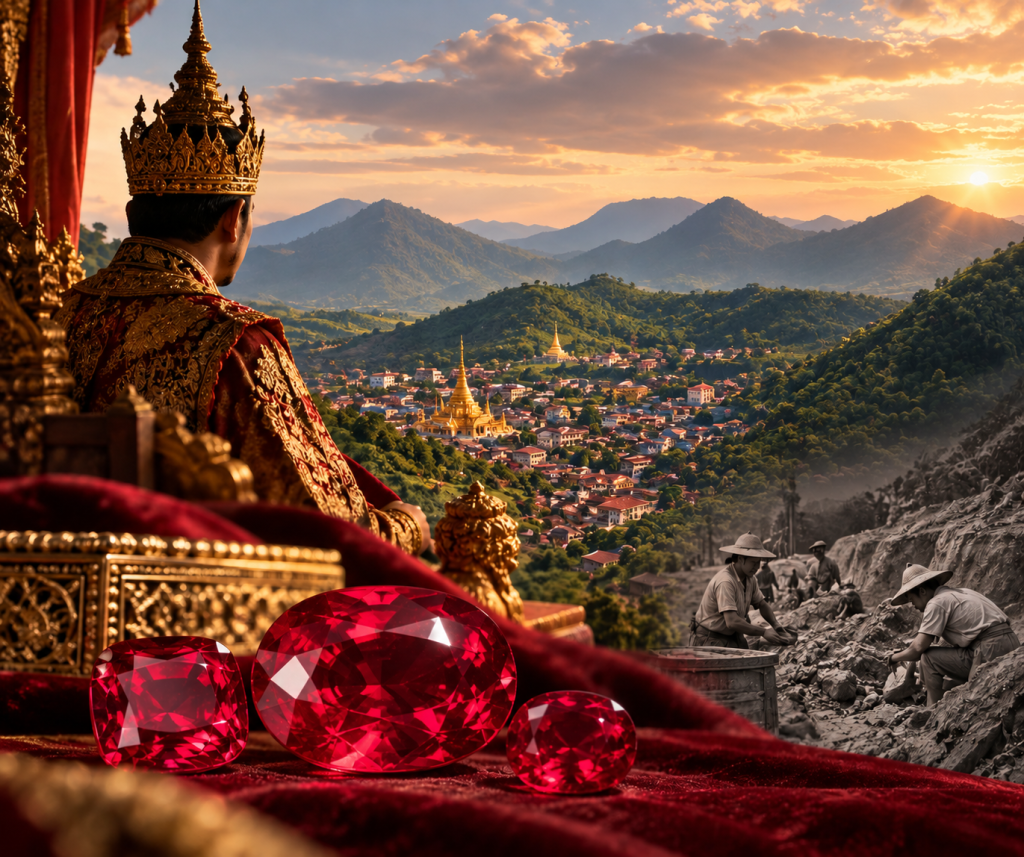
Mogok: The Legendary Home of Burmese Rubies
Mogok has produced rubies for centuries, along with sapphires, spinels, and other gemstones. However, it is ruby that made the region internationally famous.
Some exceptional Mogok rubies display an intense, vivid red color historically associated with the highly prized Pigeon’s Blood description. This combination of color, rarity, and brilliance helped Burmese rubies establish their prestigious reputation.
Rubies and the Burmese Kings
During the period of the Burmese monarchy, the country’s valuable ruby resources were closely connected with royal power.
Exceptional rubies could attract the attention of the crown, and particularly important stones were regarded as royal treasures. Historical stories even describe miners attempting to conceal remarkable discoveries to prevent them from falling under royal control.
Whether every detail of these stories can be verified or not, they demonstrate just how valuable rubies were considered by Burma’s rulers.
The Mystery of the Nga Mauk Ruby
One of the most famous gemstones associated with Burmese royalty is the Nga Mauk Ruby.
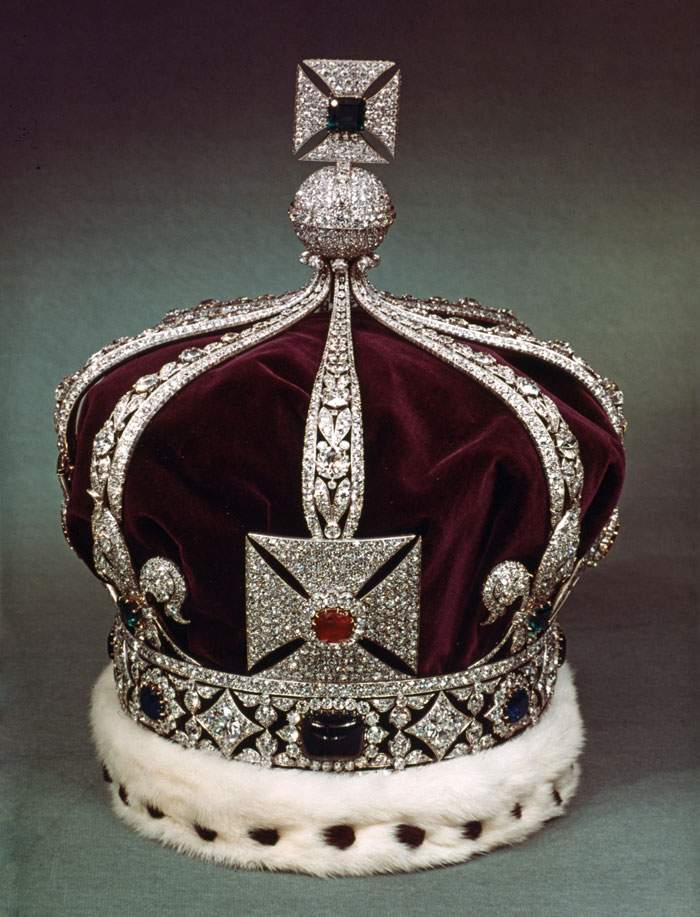
According to Burmese tradition, this extraordinary ruby was discovered near Mogok and became associated with King Bodawpaya, who ruled from 1782 to 1819.
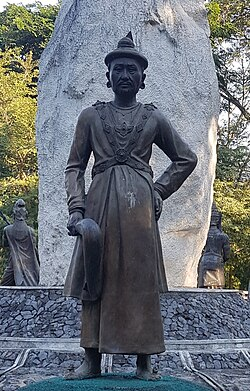
The gemstone later disappeared during a period of political upheaval surrounding the end of the Burmese monarchy. Its exact fate remains uncertain, making the Nga Mauk one of the most fascinating lost rubies in history.
The End of the Burmese Monarchy
In 1885, the Third Anglo-Burmese War brought the Burmese monarchy to an end. King Thibaw, the country’s last king, was removed from power, and British rule extended over Upper Burma.
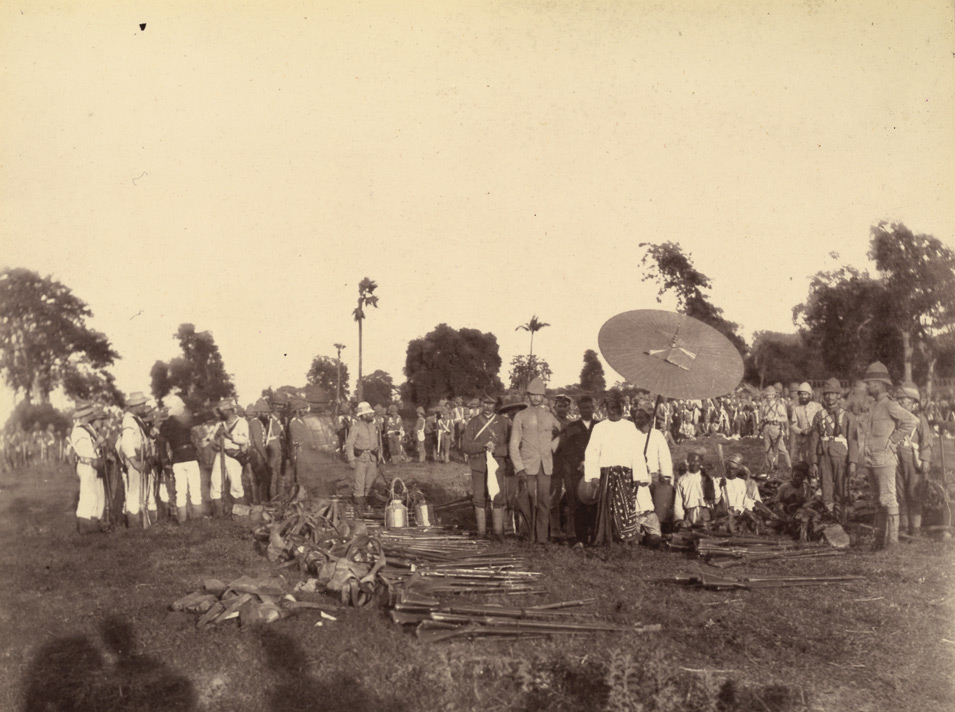
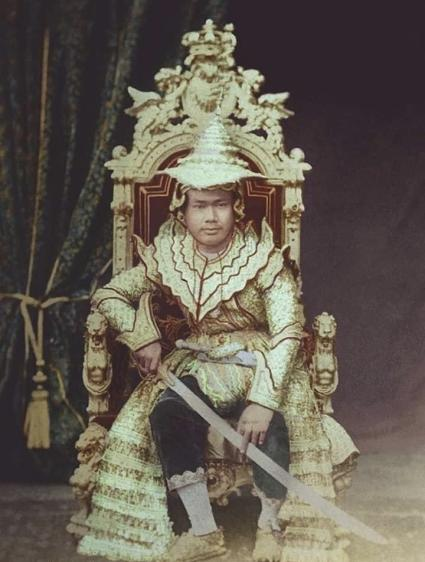
Control of the Mogok ruby-mining region subsequently changed as well. Commercial mining expanded, and Burmese rubies increasingly entered international gemstone markets.
By this time, their reputation for exceptional color and rarity was already firmly established.
Why Burmese Rubies Remain Famous
Burmese rubies continue to attract collectors because of their combination of beauty, rarity, and historical importance.
Fine untreated Burmese rubies are particularly desirable. While heat treatment is common in the ruby market, an exceptional natural ruby that achieves beautiful color without treatment is considerably rarer.
Today, Mozambique is also an important source of fine rubies. However, Burmese rubies maintain a special historical reputation because of their centuries-long connection with Mogok and the Burmese royal courts.
A Legacy That Continues Today
Modern gemology allows specialists to study ruby origin, treatments, inclusions, and other characteristics far more accurately than in the past. Yet the fascination surrounding Mogok extends beyond science.
Its valleys have been searched for rubies for generations. Its finest stones were desired by kings, and legendary gems such as the Nga Mauk Ruby remain surrounded by mystery.
Final Thoughts
The rubies of Mogok represent an extraordinary connection between gemology and royal history. Their vivid color made them desirable, but their association with Burmese kings, lost royal treasures, and centuries of gemstone mining turned them into legends.
Even today, Burmese rubies remain among the most celebrated natural rubies in the world, carrying with them the remarkable history of the place that made them famous.
Discover the legendary beauty of Mogok for yourself by exploring our Burmese Rubies, treasured for their captivating red color, rarity, and remarkable heritage.