
The Timur Ruby
For centuries, the Timur Ruby was celebrated as one of the great rubies of royal history. Weighing more than 350 carats and associated with powerful rulers across Central and South Asia, the enormous red gemstone passed through imperial collections, survived political upheaval, and eventually became part of the British Royal Collection.
There is only one problem with its legendary identity: the Timur Ruby is not actually a ruby.
Modern gemological understanding identifies the famous red stone as a spinel, a different mineral that was frequently mistaken for ruby before scientific gemstone identification became possible.
Its mistaken identity, however, makes its story even more fascinating.
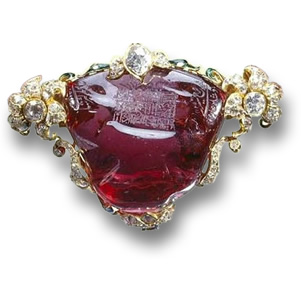
What Is the Timur Ruby?
The Timur Ruby is a large polished red spinel weighing approximately 352.5 carats. Unlike a highly faceted modern gemstone, it retains an irregular historic form and carries inscriptions recording the names of several rulers associated with its long journey through royal collections.
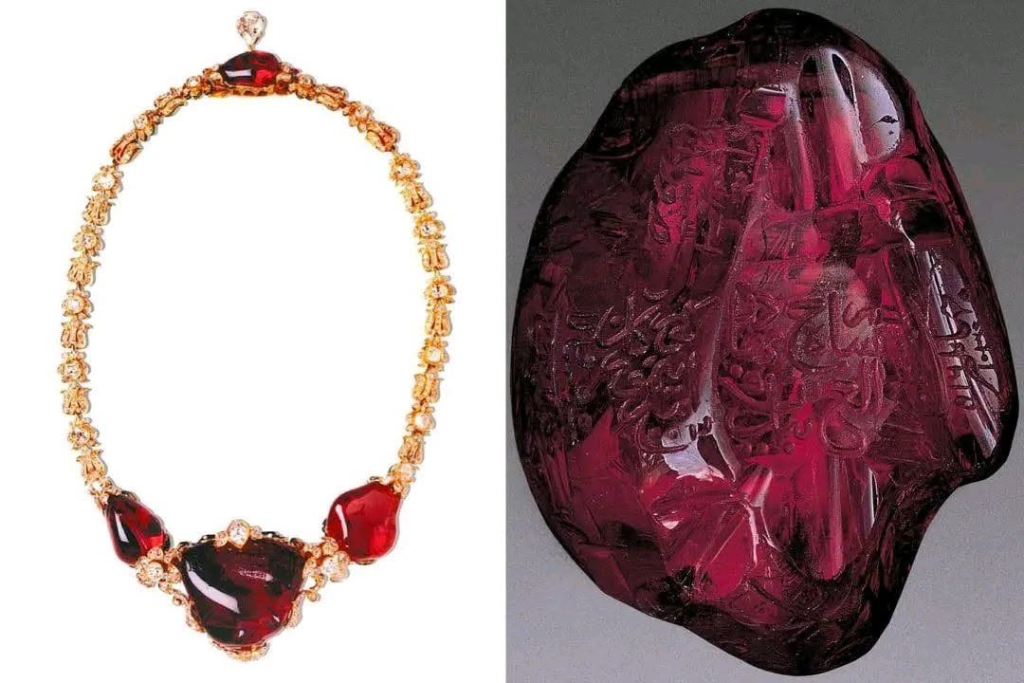
The gemstone takes its name from Timur, also known as Tamerlane, the powerful Central Asian conqueror who established the Timurid Empire during the late 14th century.
Despite the name, however, whether Timur himself actually possessed the gemstone is uncertain. Its traditional association with him became part of the stone’s historical identity, but the surviving inscriptions do not provide straightforward proof that it belonged to him.
That uncertainty is one of the reasons the gemstone continues to fascinate historians.
From Central Asia to the Mughal Empire
The history traditionally associated with the Timur Ruby connects it with some of the most powerful dynasties in Asian history.
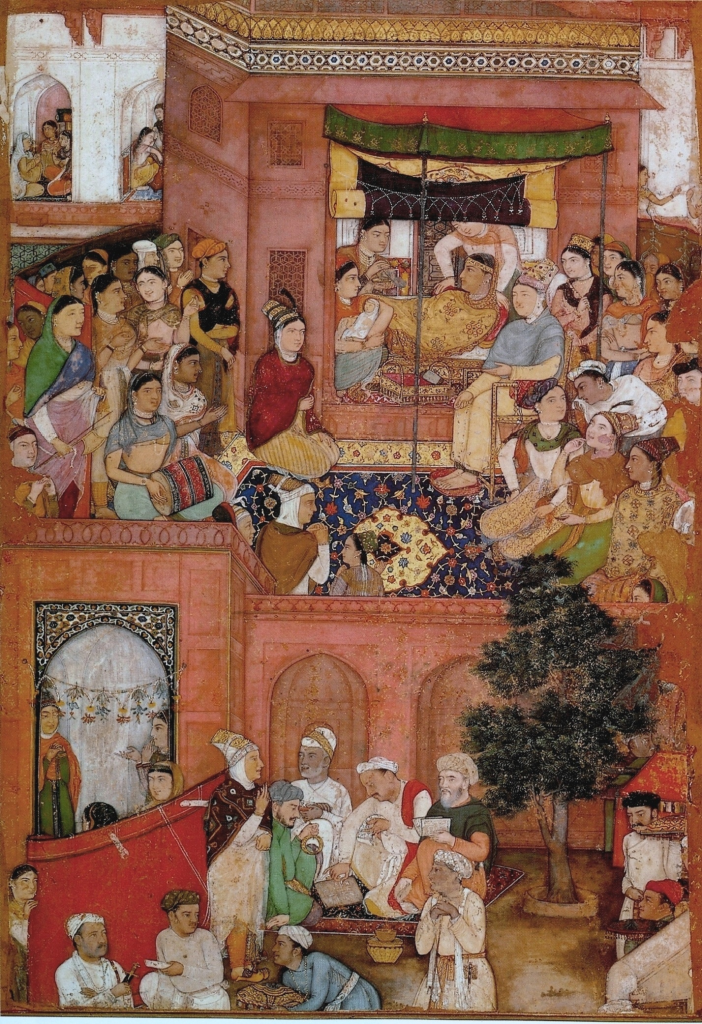
Over the centuries, the stone became associated with the Mughal emperors of India, whose courts possessed extraordinary collections of diamonds, emeralds, rubies, spinels, and other precious gemstones.
Several rulers had their names engraved directly onto important gemstones. These inscriptions transformed valuable stones into historical records, documenting ownership and reinforcing connections between gemstones and imperial authority.
The Timur Ruby carries inscriptions associated with several rulers, including Mughal emperors Jahangir, Shah Jahan, Farrukhsiyar, and Ahmad Shah.
Instead of simply being a beautiful gemstone, it became a physical record of changing rulers and empires.
Shah Jahan and the Mughal Treasury
One of the most famous names associated with the stone is Shah Jahan, the Mughal emperor best remembered for commissioning the Taj Mahal.
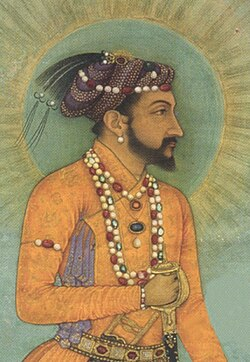
The Mughal court possessed one of the most impressive royal treasuries of its era. Large gemstones were symbols of wealth, political authority, and imperial prestige, and exceptional red stones occupied an important place within these collections.
Historic accounts also describe spectacular jeweled objects associated with Shah Jahan’s court, most famously the legendary Peacock Throne.
The Timur Ruby’s connection with the Mughal treasury places it within this extraordinary period of gemstone collecting and royal craftsmanship.
The Persian Invasion of Delhi
A dramatic turning point came in 1739, when Persian ruler Nader Shah invaded the Mughal capital of Delhi.
The invasion resulted in enormous quantities of royal treasure being taken from the Mughal treasury. Among the most famous objects carried away were valuable gemstones and the Peacock Throne.
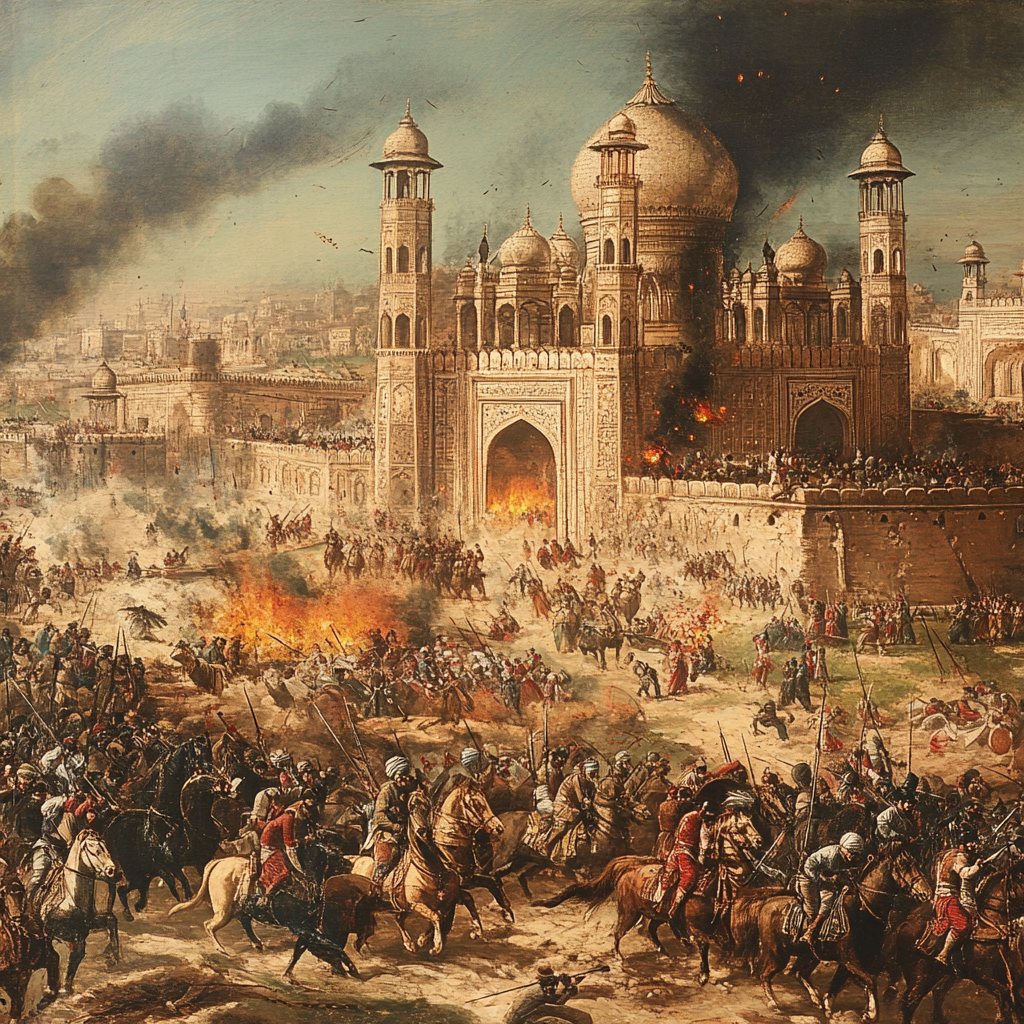
The Timur Ruby subsequently became associated with Nader Shah’s collection.
This period demonstrates something seen repeatedly throughout gemstone history: exceptional jewels often moved from one royal collection to another through conquest, inheritance, diplomacy, and political change.
From Asian Empires to the British Royal Collection
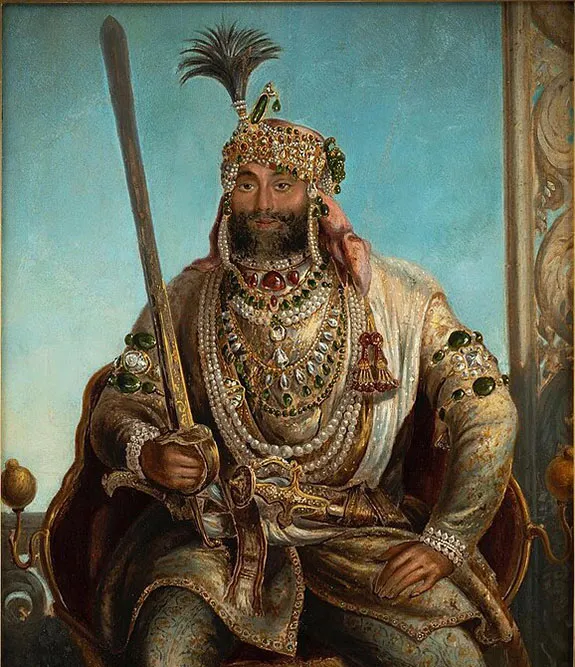
After passing through different rulers and collections, the gemstone eventually came into the possession of the Sikh ruler Maharaja Ranjit Singh and later entered British hands following the annexation of Punjab by the East India Company.

In 1851, the stone was presented to Queen Victoria.
It was later incorporated into a necklace created for the Queen, placing a gemstone associated with centuries of Asian imperial history into the British Royal Collection.
Today, the Timur Ruby remains part of the Royal Collection.
Why Was It Mistaken for a Ruby?
The Timur Ruby is not the only famous “ruby” that turned out to be something else.
For centuries, gemstone identification relied largely on visible characteristics such as color, transparency, hardness, and appearance. Ruby and red spinel can look remarkably similar, particularly when they display rich red coloration.
Without modern gemological equipment, distinguishing them was extremely difficult.
As a result, many red spinels were historically classified alongside rubies.
One of the best-known examples is the Black Prince’s Ruby, another famous red spinel that was historically considered a ruby and now forms part of Britain’s Imperial State Crown.
Ruby vs. Spinel: What Is the Difference?
Although ruby and spinel can appear similar, they are completely different minerals.
A ruby is the red variety of the mineral corundum. Its red coloration is primarily produced by traces of chromium. Rubies rank 9 on the Mohs hardness scale, making them exceptionally durable gemstones.
Spinel, by comparison, is a separate mineral species with its own chemical composition and crystal structure. It ranks approximately 8 on the Mohs scale, meaning it is also highly suitable for jewelry.
Historically, these scientific differences were unknown. A beautiful transparent red gemstone could simply be regarded as a ruby.
Modern gemological testing now allows specialists to distinguish the two reliably.
Historic Spinels Were Treasures in Their Own Right
Discovering that the Timur Ruby is a spinel does not diminish its importance.
In fact, historic red spinels were highly prized by Asian royal courts. Large examples with exceptional color were valuable treasures regardless of how later generations classified their mineral identity.
Today, fine natural red spinels are also appreciated as important gemstones in their own right.
The Timur Ruby’s value therefore comes from much more than its mineral species. Its enormous size, royal provenance, inscriptions, age, and connection with centuries of political history make it an extraordinary cultural object.
The Inscriptions Make the Gemstone Unique
Perhaps the most fascinating feature of the Timur Ruby is its collection of inscriptions.
Most gemstones are valued primarily for color, clarity, cut, and carat weight. The Timur Ruby offers something different: names engraved onto its surface connect the stone directly with generations of rulers.
These inscriptions effectively turn the gemstone into a historical document.
Rather than reading its story from a manuscript alone, historians can examine evidence physically preserved on the gem itself.
What the Timur Ruby Teaches Us About Gemology
The story also demonstrates how dramatically gemstone identification has evolved.
Modern gemologists can examine a gemstone’s optical properties, inclusions, crystal structure, chemical composition, and other characteristics using specialized instruments. Laboratory testing can distinguish natural rubies from spinels and other visually similar gemstones with far greater certainty.
Centuries ago, these methods did not exist.
The Timur Ruby therefore represents an important intersection between gemstone history and modern gemology. Its famous misidentification reminds us that historical gemstone names do not always correspond with the scientific classifications used today.
Why the Timur Ruby Still Fascinates Us
The Timur Ruby has everything that makes a historic gemstone story compelling: enormous size, legendary rulers, imperial treasuries, war, conquest, royal jewelry, mysterious provenance, and a surprising case of mistaken identity.
It has survived the rise and fall of empires while carrying traces of its history directly on its surface.
And perhaps its greatest twist is that one of history’s most famous “rubies” was never a ruby at all.
Final Thoughts
The Timur Ruby proves that the importance of a gemstone can extend far beyond its mineral identity. Although modern gemology recognizes the 352.5-carat stone as a red spinel, centuries of royal ownership and historical tradition have preserved the name by which it became famous.
Its journey through Asian royal courts and eventually into the British Royal Collection offers a remarkable glimpse into the role gemstones once played as symbols of wealth, authority, conquest, and legacy.
For ruby enthusiasts, its story also carries an important lesson: color alone cannot identify a gemstone. What earlier generations called a ruby may, under modern scientific examination, reveal an entirely different identity.
That discovery does not make the Timur Ruby less extraordinary. It makes its story even more remarkable.
Explore our collection to discover some of the finest natural rubies and beautiful natural spinels, carefully selected for their color, quality, and unique character.