
How Does a Ruby Get From the Mine to a Piece of Jewelry?
How does a ruby get from the mine to a piece of jewelry? A ruby is dug or washed from gem gravels or host rock, sorted by size and quality, sold through local dealers to cutters, cut and polished, often heat treated, examined and graded by gemologists, and finally set in metal by a jeweler. Each stage changes how the stone looks, what it is worth and how well it lasts, and you can ask your seller about every one of them. The steps below follow that route, with stones from our inventory to show where they end up.
Step 1: Where Rubies Are Found
Rubies are a variety of corundum colored red by chromium. They form where aluminum-rich rocks meet chromium under high heat and pressure, in environments low in silica. Two broad types of deposit are important:
- Primary deposits, where rubies are still embedded in the rock in which they formed, such as marble or certain metamorphic and igneous rocks.
- Secondary deposits, where weathering and erosion have freed rubies from their host rock over long periods. Because corundum is hard and dense, the crystals survive transport by water and collect in gravels along riverbeds and valleys.
Important ruby-producing regions include Myanmar, Mozambique, Thailand, Sri Lanka, Madagascar, Tanzania, Vietnam, and Afghanistan, among others.

Step 2: Mining
How rubies are mined depends on the deposit and the scale of the operation.
Artisanal and Small-Scale Mining
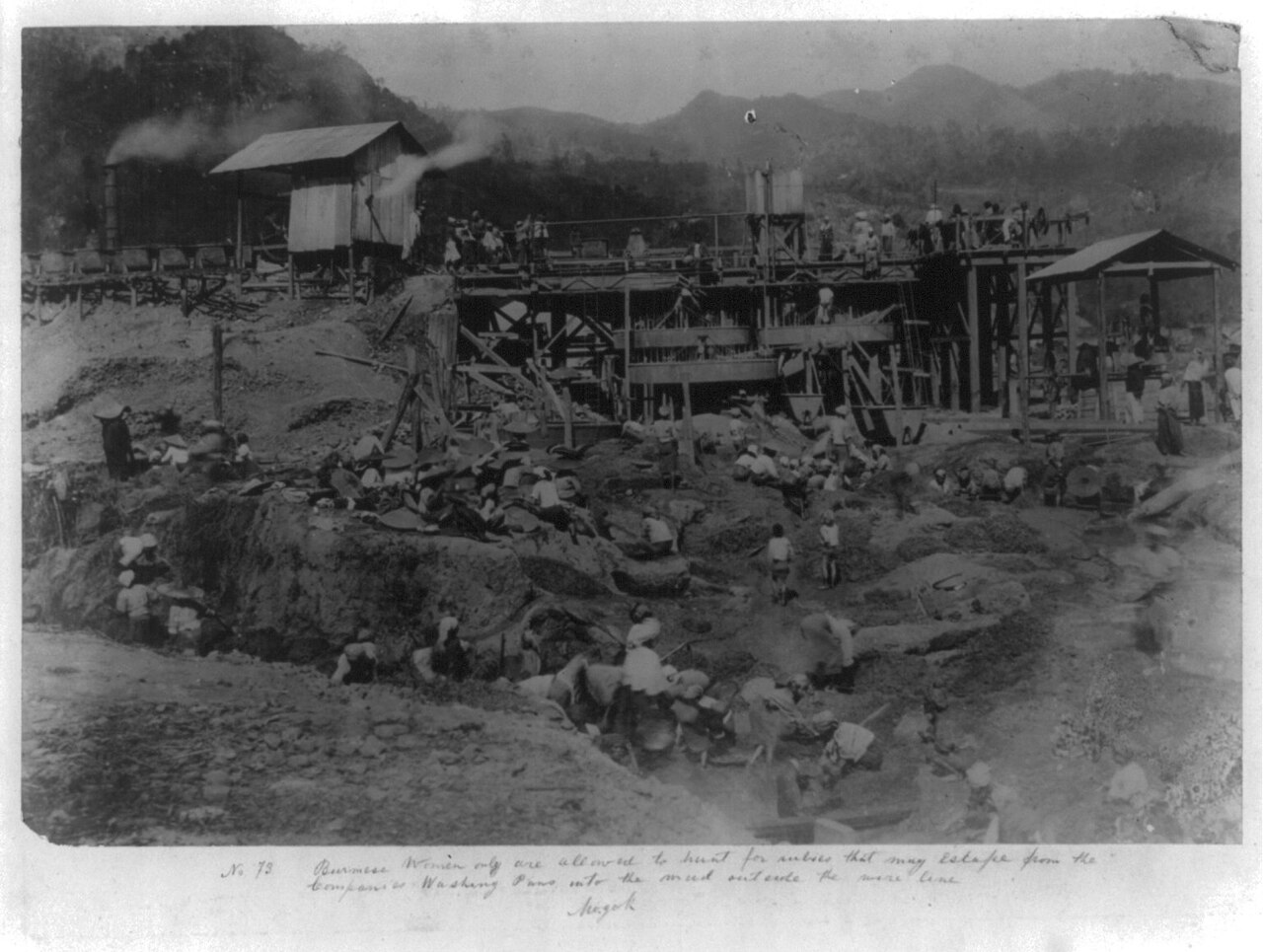
In many regions, rubies are recovered by small teams working pits, tunnels, or riverbeds with simple tools. Gravel is dug, washed, and sieved, and miners pick out the gem rough by hand. This kind of mining supports many local livelihoods.
Mechanized Mining
Larger operations use excavators to move gem-bearing gravel or rock, and washing plants to separate heavier minerals. Rubies are then hand-sorted from the concentrate.
Responsible Sourcing
Mining affects land, water, and communities. Ethically minded buyers ask questions about where a stone came from, whether workers were treated fairly, and whether the supply chain respects local laws and sanctions. Full traceability is not always possible with colored gemstones, but a transparent seller should be able to tell you what they know about a stone’s origin.
Step 3: Sorting and Trading the Rough
Rough rubies are sorted by size, color, and clarity. Many pieces are too fractured or too pale for faceting and may be used for cabochons or beads, or not used as gems at all. Higher-quality rough is traded through local markets, dealers, and sometimes auctions, often passing through several hands before reaching a cutter.
Experienced buyers study rough carefully, sometimes with a light held behind it, to judge color, clarity, and how much finished weight it might yield. It is a skilled and risky judgment, because inclusions hidden inside the crystal can change everything once cutting begins.

Step 4: Cutting and Polishing
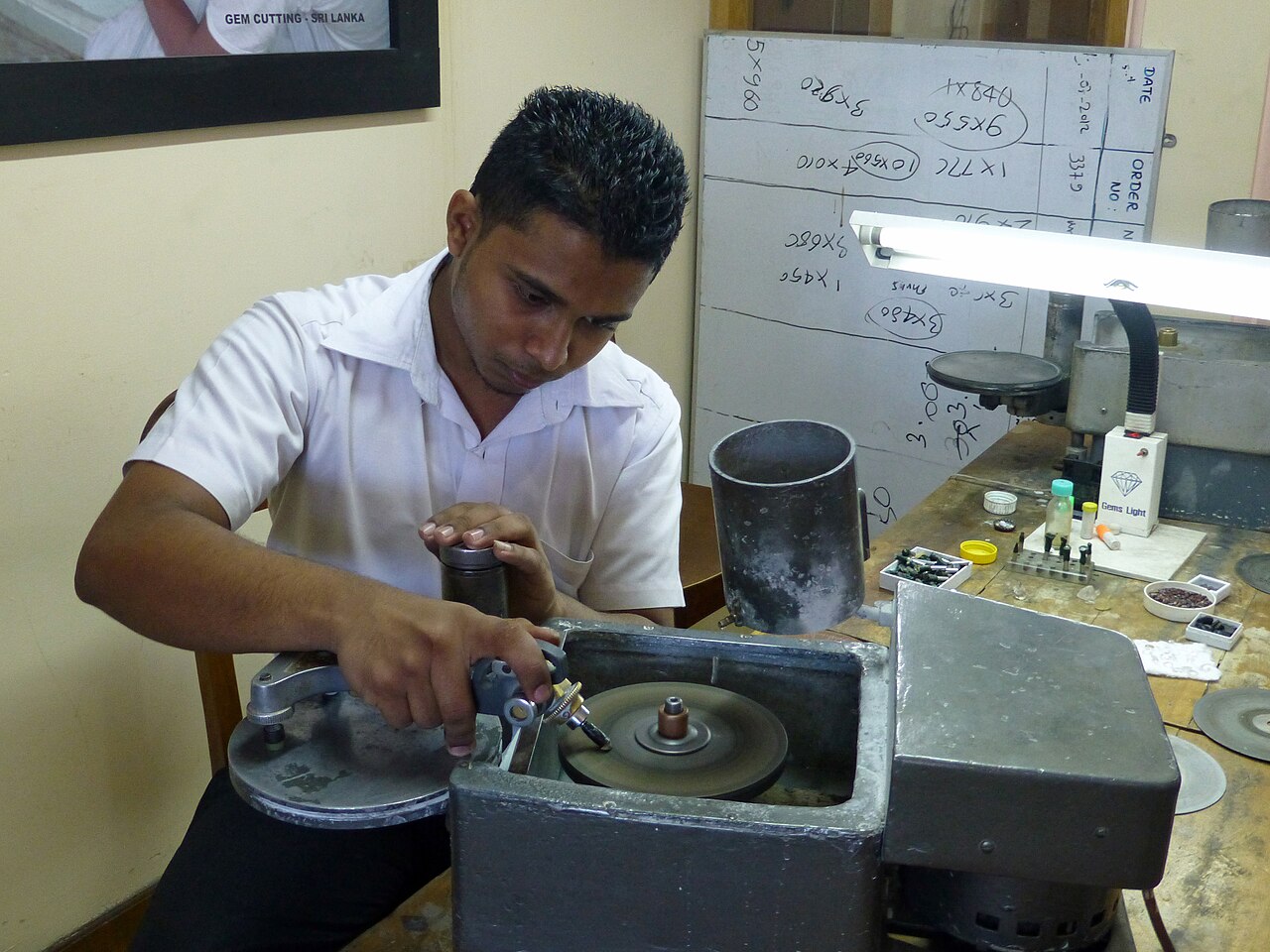
Cutting is where a rough crystal becomes a gem. Rubies are cut in many traditional centers, including in Thailand, Sri Lanka, and India, as well as by specialist cutters around the world.
Balancing Beauty and Weight
Cutters constantly balance beauty against weight. Because rubies are often priced by the carat, there is a temptation to preserve weight, sometimes leaving deep bellies or uneven outlines. A cut focused on beauty may lose more weight but produce better brightness and color. Many fine rubies are cut as ovals or cushions, shapes that tend to follow the natural form of the rough.
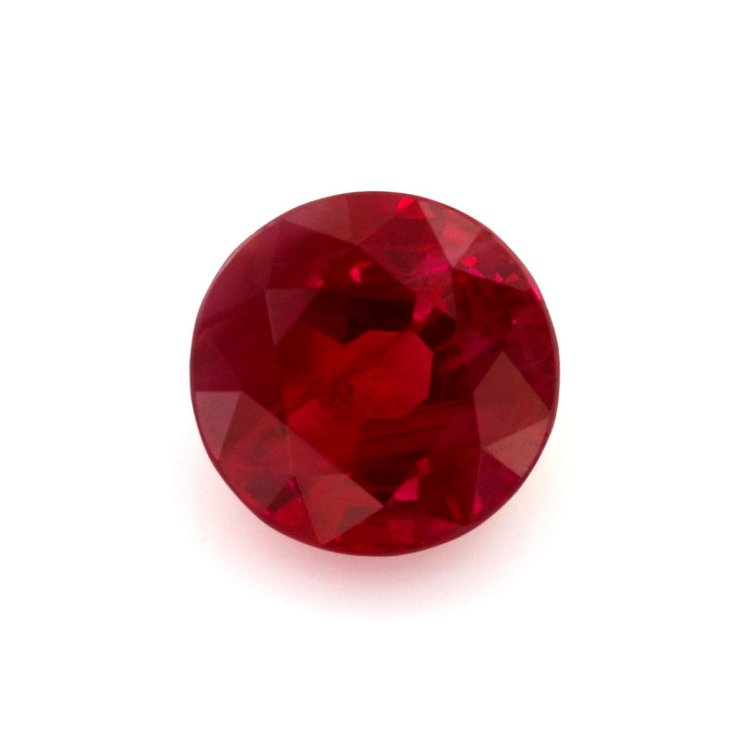
Which color a cutter places face-up is also part of this judgment, and we explore it in Why Are No Two Natural Rubies Exactly Alike?. Proportions show in the numbers: the round R13730 and R14772 weigh almost the same (1.11 ct and 1.08 ct), yet R13730 measures 6.30 mm across and 3.52 mm deep, while R14772 measures 6.68 mm across and 3.19 mm deep.
Step 5: Treatment
Many rubies are heat treated after mining or cutting. Controlled heating can improve color and clarity, and it is a long-established practice that is generally accepted when disclosed. Other treatments, such as lead-glass fracture filling, change a stone’s value and care requirements significantly, so disclosure is your right as a buyer. Our site states that its rubies are all natural and never lab-created, and each product page lists the enhancement. For the evidence treatment leaves under magnification, see What Do Inclusions Tell Us About a Natural Ruby?.
Step 6: Identification and Grading
Before a ruby reaches you, it should be examined by a qualified gemologist. For important stones, an independent gemological laboratory may issue a report confirming:
- That the stone is natural ruby, not synthetic or a simulant.
- Whether there is evidence of heat or other treatments.
- In some cases, an opinion on geographic origin.
Grading considers color, clarity, cut, and carat weight, with color generally the most important factor for ruby.
The Finished Stones: Handheld Videos
Cut, polished and ready to be set: three of our larger rubies turning in the hand.
Step 7: Designing and Setting the Jewelry
Finally, the ruby meets the jeweler. Design choices depend on the stone’s shape, size, and color, and on how the piece will be worn.
- Metal color affects how the ruby appears. Yellow gold can make the red feel warmer, while white metals give a crisper contrast.
- Setting style matters for protection and light. Prongs let in more light; bezels offer more protection to edges.
- Fit and proportion ensure the ruby sits securely and comfortably.
Because ruby rates 9 on the Mohs scale and lacks cleavage, it is durable enough for everyday rings. A careful setter still takes care, since fracture-filled stones in particular can be damaged by heat from a jeweler’s torch.
Following the Journey Through Our Inventory
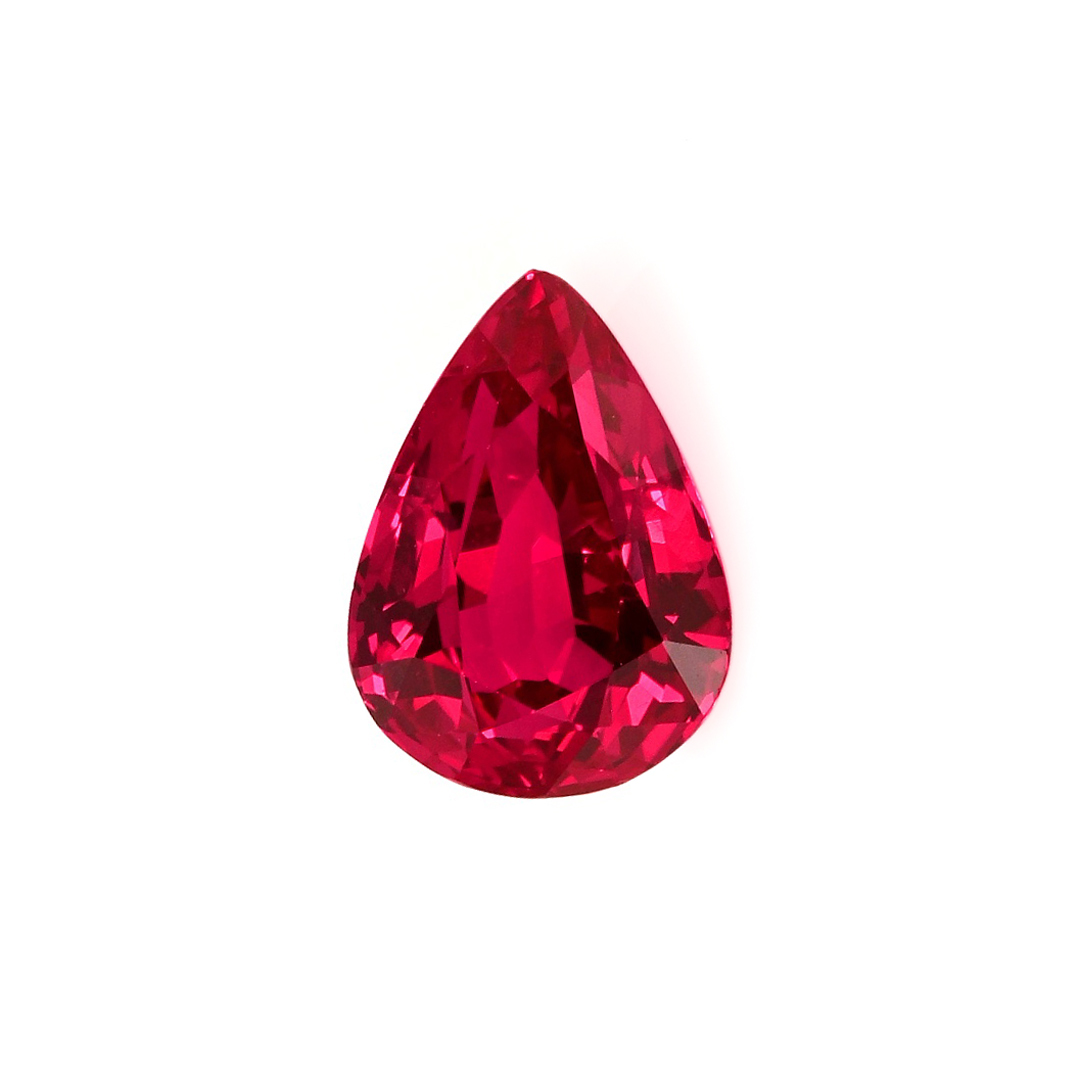
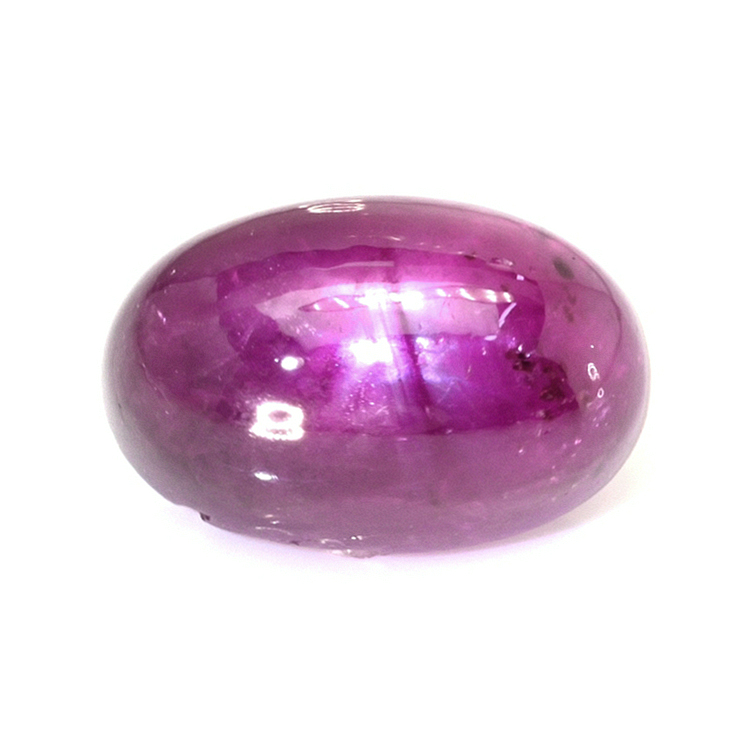
Origin is a field on every product page, and a few listings show how widely supply is spread. The 3.15 ct round ruby R6683 is listed from Burma (Myanmar), the 2.06 ct pear ruby R14365 and the 4.64 ct oval cabochon star ruby R16646 from Mozambique. The end of the journey looks different too: the 4.00 ct oval ruby halo ring in 18K yellow gold (J11507) lists Madagascar as the ruby’s origin, and the 5.04 ct oval ruby halo ring in 18K white gold (J12039) lists Burma (Myanmar), which lets you compare warm and cool metal around a red stone. Our CAD and production office is in Ratnapura, Sri Lanka.
For the stories of famous rubies and where they came from, see Legendary Rubies of Mogok.
The End of the Journey: Our Highest-Priced Rubies
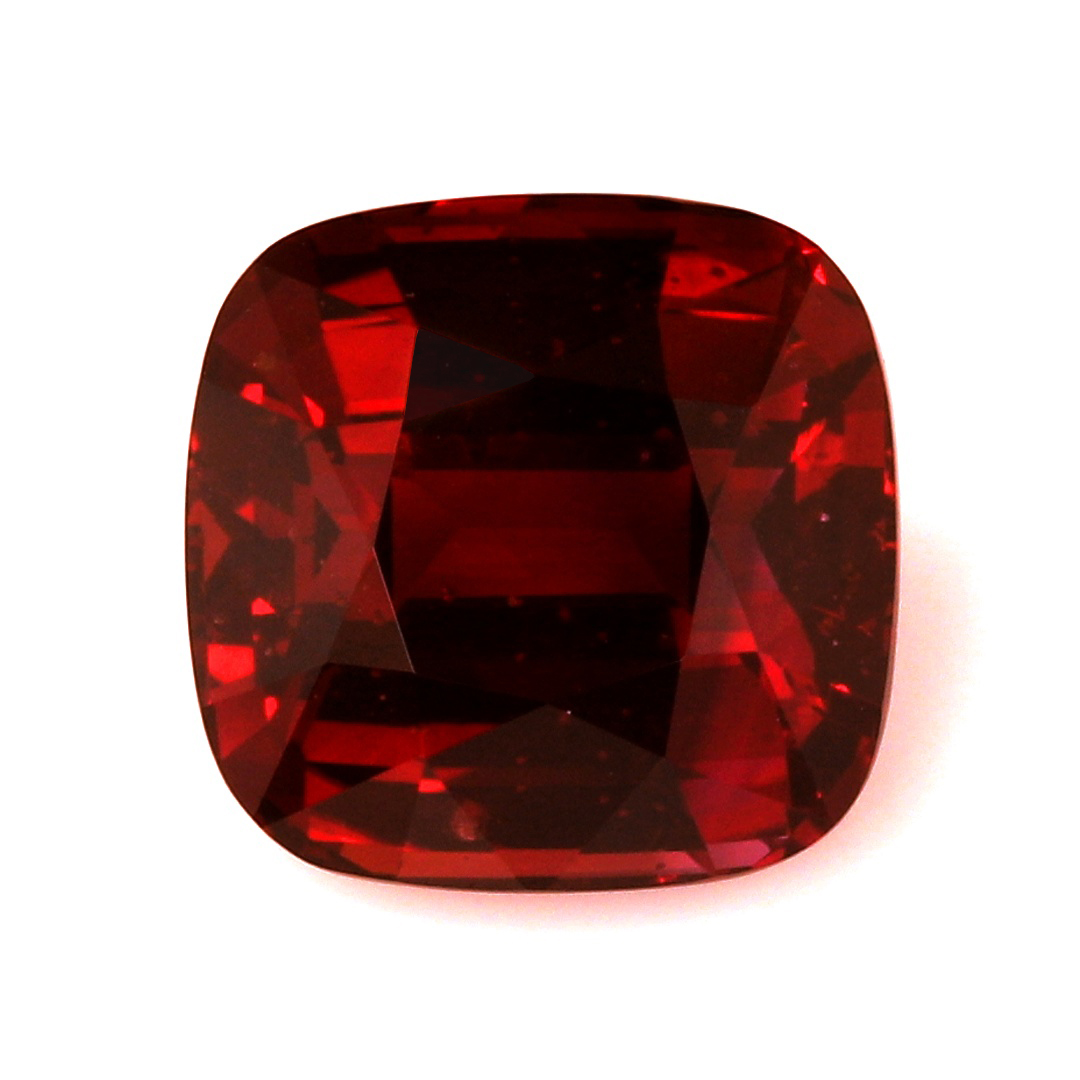
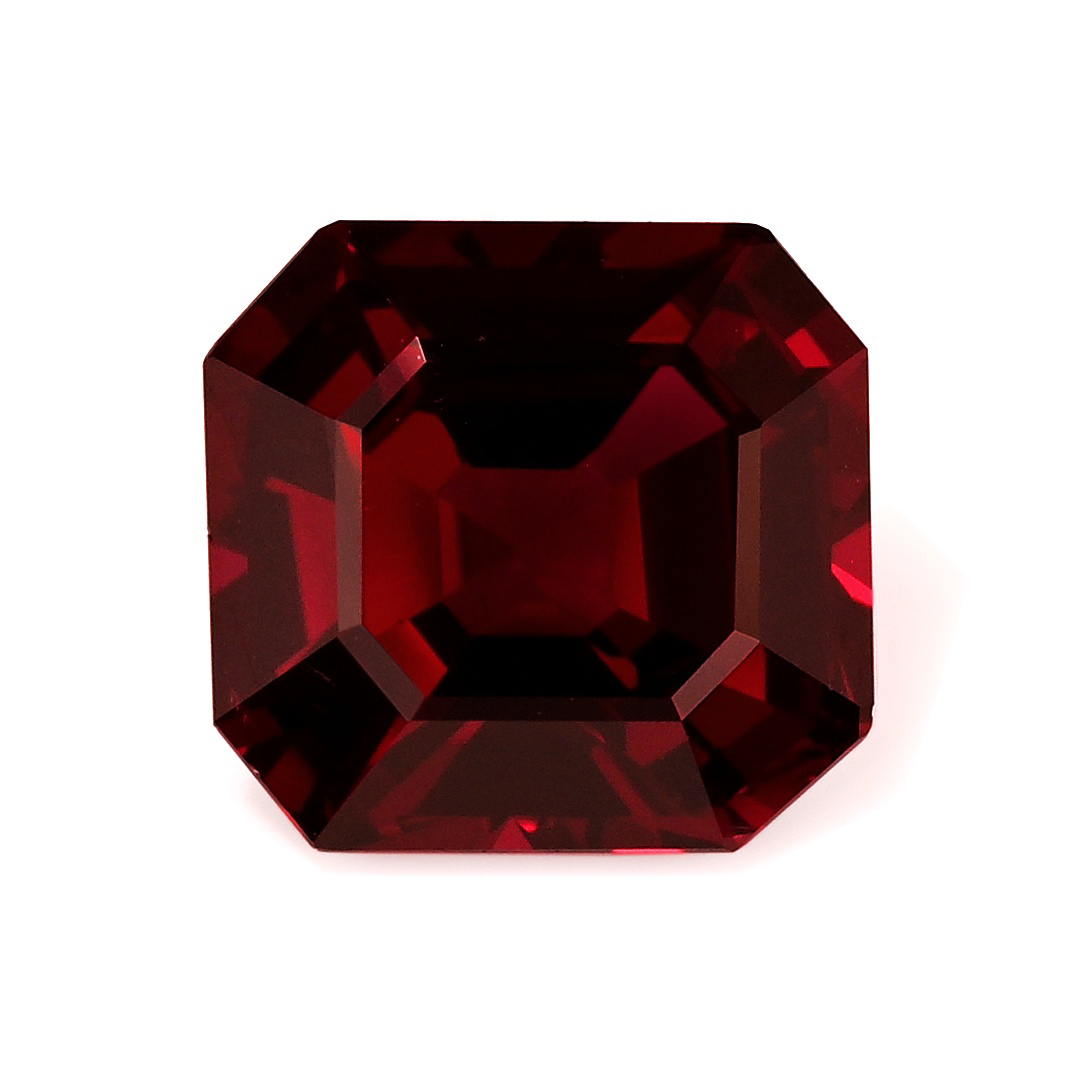
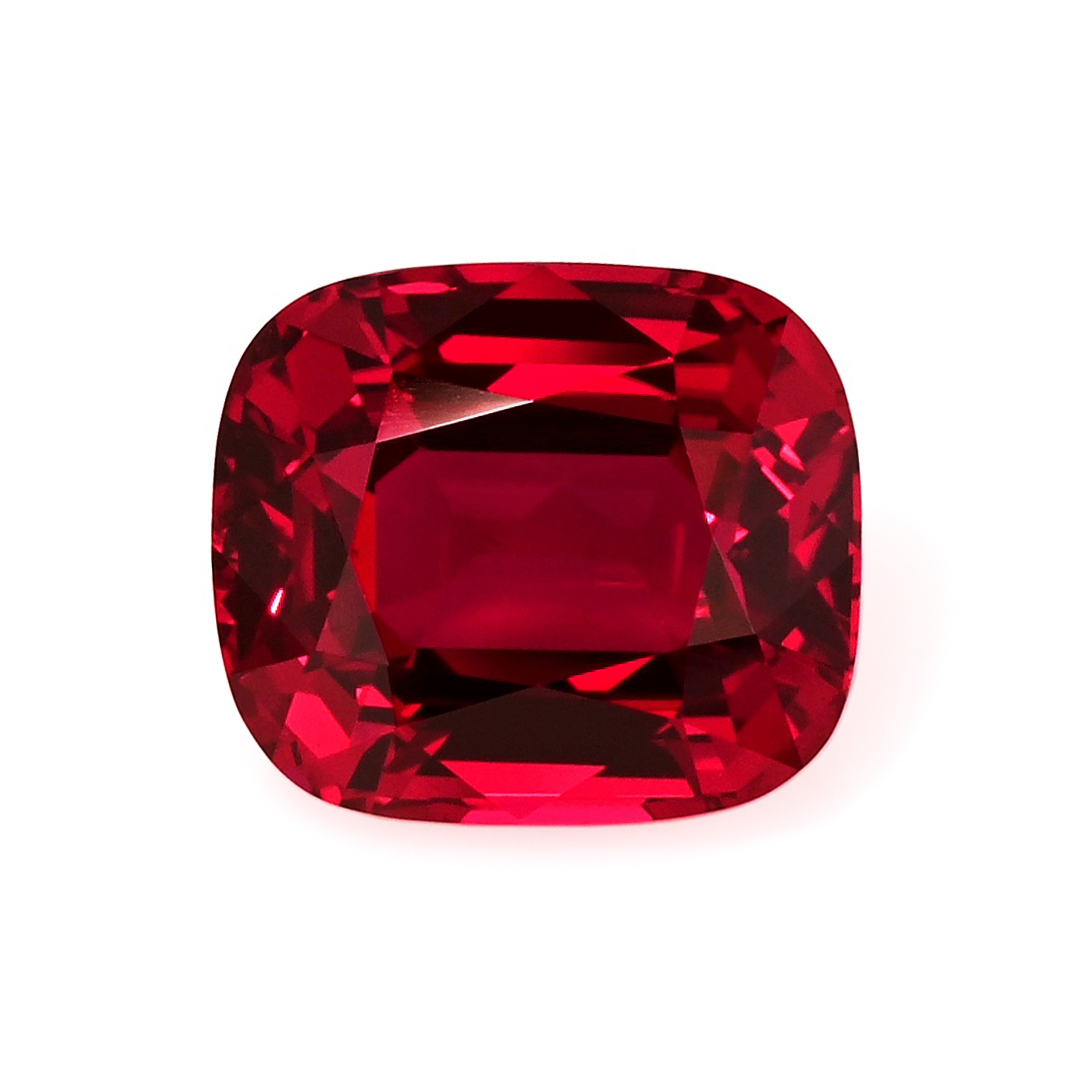
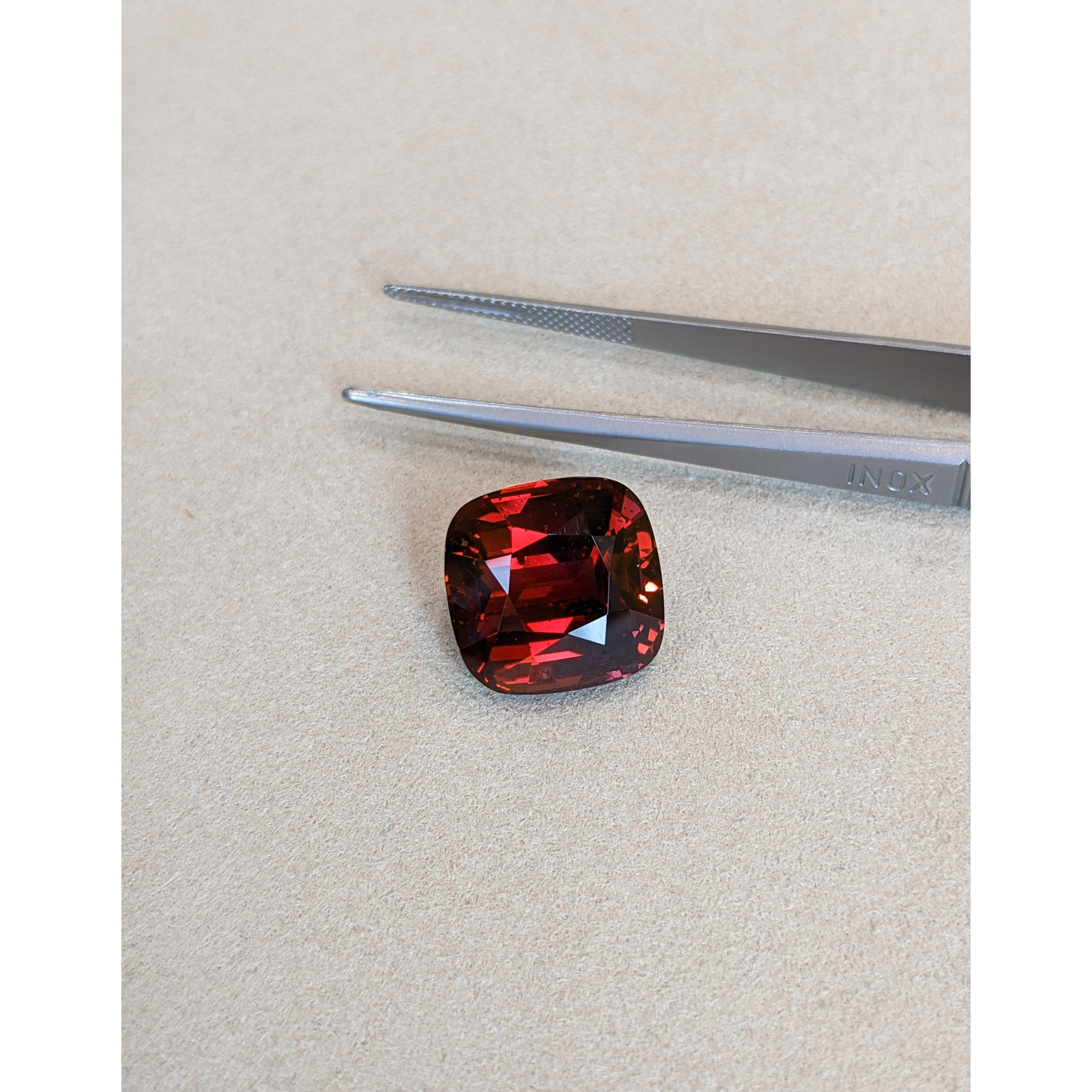
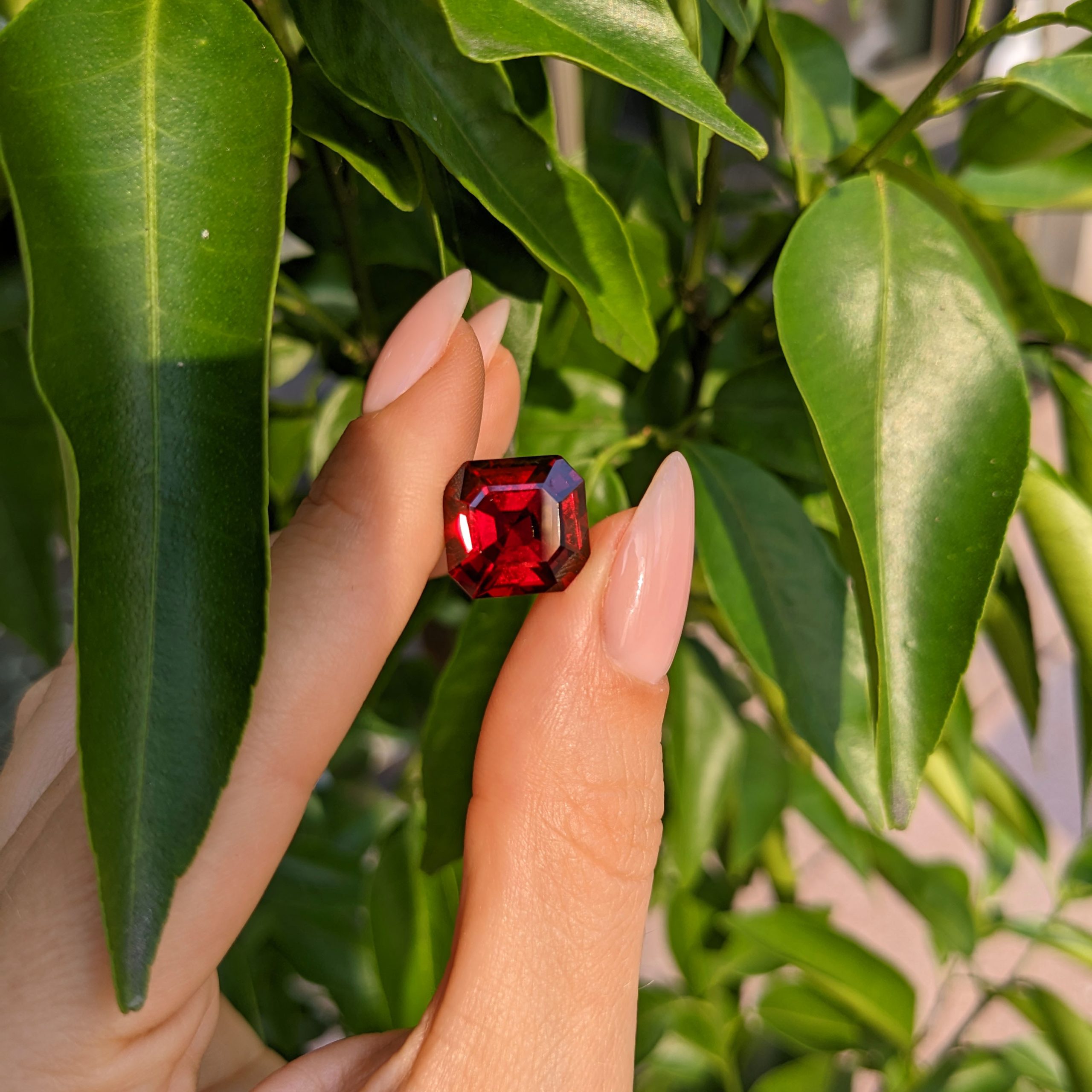
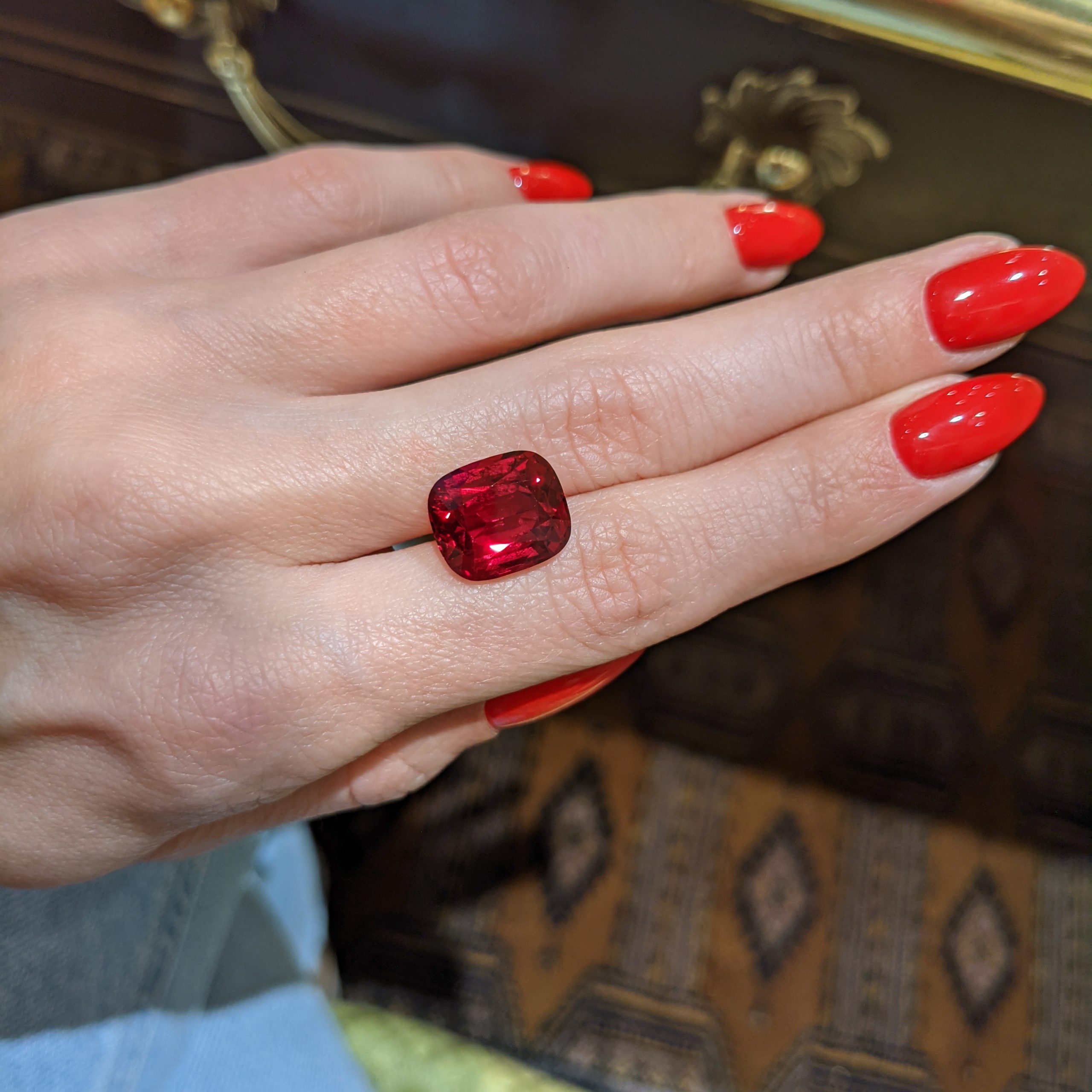
Three finished rubies of ten carats or more from our inventory, from Madagascar, Thailand and Mozambique, on white and on the hand. Use the links for current details.
Frequently Asked Questions
How long does it take for a ruby to go from mine to jewelry?
It varies widely. Some stones move through the supply chain within months; others are held by dealers or collectors for years before being set.
Are most rubies treated?
Heat treatment is common in ruby. Untreated rubies exist and are valued for their rarity. Ask for written disclosure and, for significant purchases, a laboratory report.
Can I know exactly which mine my ruby came from?
Sometimes a seller can trace a stone to a specific region or mine, but often the information is limited to country of origin, if that. Laboratory origin opinions are based on scientific data but are not guarantees of a specific mine.
Why does cutting affect ruby price so much?
Cutting determines brightness and how color is displayed. A well-cut ruby can look far more vivid than a poorly cut stone of the same rough quality.
Which stages affect a ruby’s price the most?
Color and the quality of the rough set the ceiling, and cutting decides how much of it you see. As the R13730 and R14772 comparison above shows, two stones of nearly equal weight can differ in size and depth, so ask for millimeter measurements as well as carat weight.
Conclusion
A ruby’s journey from the mine to a piece of jewelry is shaped by geology, skilled hands, and many careful decisions. Knowing that journey helps you ask better questions about origin, treatment, and cut, and makes the finished piece more meaningful.
At The Natural Ruby Company, we are happy to share what we know about the history of each stone and to help you design a piece that honors it. Explore our rubies at thenaturalrubycompany.com.