
Definitive Guide to Adularescence
Some gemstones are admired for their color, while others capture attention because of the way they interact with light. Adularescence is one of these fascinating optical phenomena.
Best known for creating the soft, floating glow seen in moonstone, adularescence appears as light moving beneath the surface of a gemstone. As the stone is tilted or rotated, the glow seems to shift from one area to another, giving the gemstone an almost luminous appearance.
Although moonstone is the gemstone most famously associated with adularescence, understanding the phenomenon involves looking more closely at feldspar structure, light interaction, cutting, and the visual characteristics that separate adularescence from other gemstone effects.
What Is Adularescence?
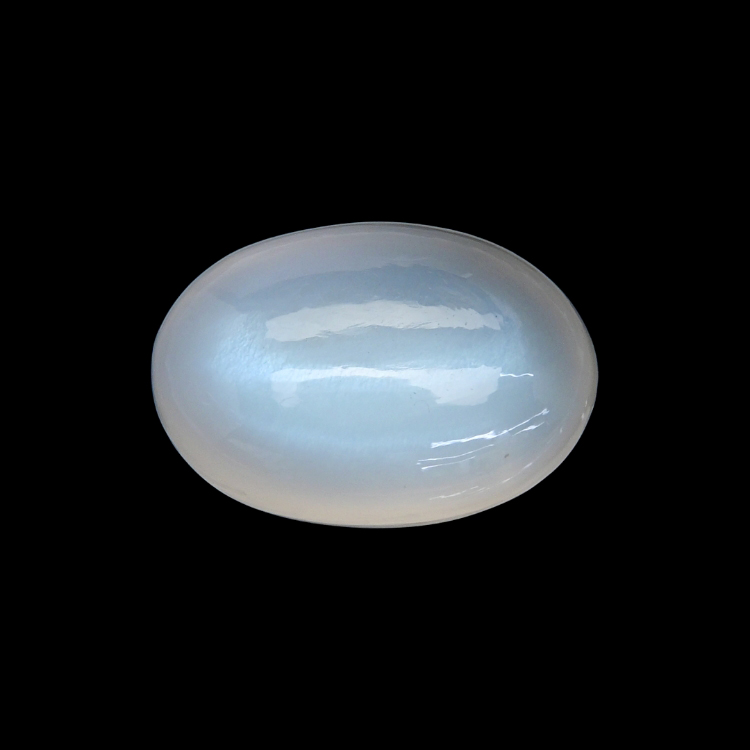
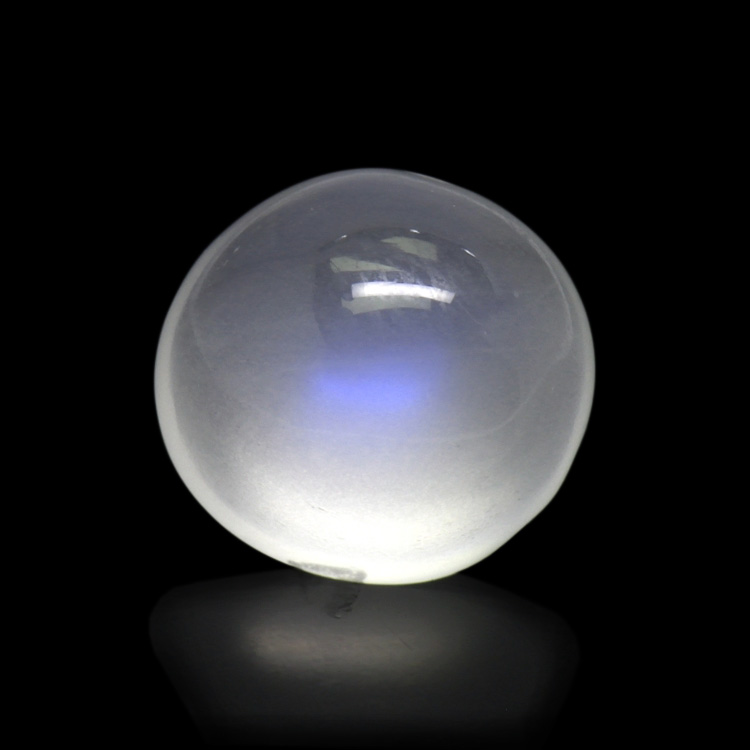
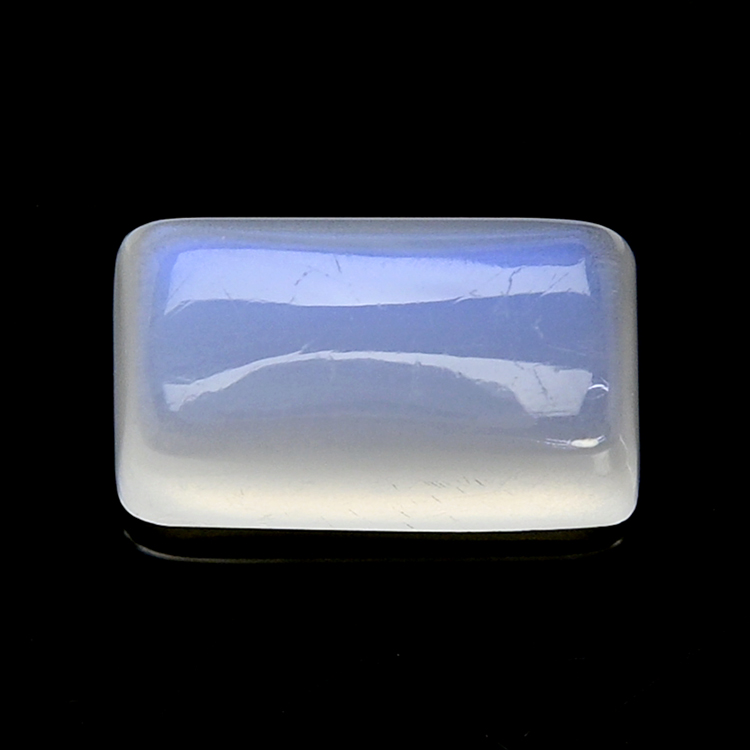
Adularescence is an optical phenomenon characterized by a soft, billowing glow that appears to float beneath the surface of a gemstone.
Unlike ordinary surface reflections, the light seems to come from within the stone. When the gemstone is moved, the illuminated area shifts across or beneath its surface.
The effect is most commonly associated with moonstone, where the sheen can range from soft white or silvery light to highly desirable bluish flashes.
The appearance of adularescence can vary considerably from one gemstone to another. Some stones show a subtle cloudy glow, while exceptional examples may display a strong and clearly defined sheen that moves dramatically as the stone is tilted.
What Causes Adularescence?
Adularescence is created by the interaction of light with microscopic internal structures within feldspar.
Feldspar gemstones can contain extremely fine layers or structural variations that develop as the material forms and cools. When light enters the gemstone, it interacts with these structures rather than simply passing straight through.
Some of the light is scattered and interferes within the stone before returning to the observer. This creates the characteristic floating glow associated with adularescence.
The thickness, spacing, and arrangement of these microscopic structures influence the color, strength, and overall appearance of the phenomenon.
This is also why not every feldspar displays adularescence. The gemstone must contain the right internal structure for the effect to become visible.
Why Is Moonstone Famous for Adularescence?
Moonstone is the gemstone most closely associated with adularescence.
In fact, the phenomenon is one of the defining visual characteristics that gives moonstone its distinctive appearance and name.
When a moonstone is moved beneath a light source, a soft glow can appear to float across its surface or move within the stone. This luminous effect can resemble moonlight shining through a thin layer of cloud.
The finest examples can show a particularly attractive blue adularescence, while others may display white or silvery sheen.
The visibility and strength of the effect depend on the gemstone’s internal structure, transparency, cut, and orientation.
What Does Moonstone Adularescence Look Like?
One of the easiest ways to recognize adularescence is through movement.
Hold a moonstone beneath a light source and slowly tilt it from side to side. Instead of concentrating only on reflections from the polished surface, look for a softer area of light that seems to originate from within the gemstone.
Typical characteristics of adularescence include:
- A soft and diffuse glow rather than a sharp reflection
- Light that appears to originate beneath the gemstone’s surface
- A sheen that moves as the stone is tilted or rotated
- A broad or cloud-like appearance
- White, silvery, or sometimes blue light
- Changes in intensity depending on the viewing angle
The effect may become very strong from one direction and almost disappear when viewed from another.
Because movement is such an important part of the phenomenon, videos and in-person examination often show adularescence more effectively than a single photograph.
What Is Moonstone?
Moonstone belongs to the feldspar mineral group, one of the most abundant mineral groups in the Earth’s crust.
Gem-quality feldspar can display several interesting optical phenomena, but moonstone is particularly valued for its adularescence.
Moonstone can range from transparent to translucent and may have a colorless, white, gray, peach, brown, yellowish, or other body color. The appearance of the adularescent sheen can vary depending on the material.
Some of the most sought-after moonstones have a relatively transparent or colorless body combined with a strong blue sheen.
However, beauty is not determined by blue color alone. The strength, movement, coverage, transparency, cut, and overall appearance of the gemstone are also important.
Is Adularescence Only Found in Moonstone?
Moonstone is the gemstone most famous for adularescence, but the phenomenon is connected more broadly with the feldspar family.
Certain other feldspar materials can display optical effects that may resemble or relate to adularescence under suitable structural conditions.
However, these effects need to be identified carefully. Not every glow or flash seen in a feldspar should automatically be described as adularescence.
For example, some feldspars display labradorescence, which can produce stronger and more colorful flashes. Others may display aventurescence, which has a sparkling or glittering appearance caused by reflective inclusions.
Adularescence is distinguished by its softer, floating, and often billowing appearance.
Rare or unusual feldspar specimens may require gemological examination to properly identify both the material and its optical phenomenon.
Can Andesine Show Adularescence?
Andesine is another member of the feldspar group and is better known for its yellow, orange, red, and occasionally greenish colors.
In exceptionally unusual material, internal structures may produce a sheen or optical behavior resembling adularescence.
However, this is not a typical characteristic of andesine, and the phenomenon should not be expected in ordinary specimens.
This is an important distinction. While adularescence is strongly associated with moonstone, its appearance in other feldspar materials is considerably less common and should be identified carefully.
When an unusual optical effect appears in andesine or another feldspar, professional gemological examination may help determine the exact nature of the material and phenomenon.
Blue Adularescence in Moonstone
One of the most admired forms of adularescence is a strong blue sheen against a relatively transparent or colorless moonstone.
The blue appearance results from the way light interacts with the gemstone’s extremely fine internal structures.
As the moonstone is moved, the blue light may seem to glide across its surface before disappearing and reappearing at another angle.
A strong blue sheen can be particularly attractive when it is clearly visible across a large portion of the gemstone rather than being restricted to a very small area.
However, the overall quality of the stone still depends on several characteristics, including transparency, body color, cut, clarity, size, and the strength and positioning of the optical effect.
What Is Rainbow Moonstone Adularescence?
Despite its trade name, rainbow moonstone is generally associated mineralogically with transparent labradorite rather than traditional moonstone material.
It can display striking blue or multicolored flashes that move as the gemstone is turned.
Because rainbow moonstone is widely marketed alongside moonstone, its optical appearance is sometimes casually described using the term adularescence. However, feldspar optical effects can involve different structural mechanisms, and gemological terminology should be used carefully.
Visually, rainbow moonstone can show bright blue flashes and, in some specimens, additional colors such as green, yellow, or violet.
This can give it a noticeably different appearance from the softer, more billowing sheen traditionally associated with classic moonstone.
Adularescence vs. Labradorescence
Adularescence and labradorescence can both create moving light effects in feldspar, but they generally have different visual appearances.
Adularescence usually appears as a soft, floating glow. It is most famously associated with moonstone and is often white, silvery, or blue.
Labradorescence is typically more vivid and can produce broad flashes of blue, green, yellow, orange, and other colors.
The distinction is particularly important because both effects can change dramatically as the gemstone is moved.
Rather than identifying a phenomenon based only on color, gemologists also consider the gemstone’s identity, internal structure, and the visual nature of the effect.
Adularescence vs. Chatoyancy
Adularescence should also not be confused with chatoyancy, commonly known as the cat’s-eye effect.
Chatoyancy creates a relatively narrow band of reflected light across the surface of a gemstone. As the stone moves, this line travels across it and can resemble the pupil of a cat’s eye.
Adularescence is broader and softer.
Instead of a narrow line, it generally appears as a floating patch, cloud, or area of light beneath the gemstone’s surface.
The difference becomes particularly easy to recognize when the stones are viewed in motion.
Adularescence vs. Asterism
Asterism is the phenomenon responsible for star gemstones.
In an asteriated gemstone, intersecting bands of light form a star pattern, commonly with four, six, or sometimes more rays.
Adularescence does not form these distinct rays. Instead, it produces a broad, moving glow.
Both phenomena depend on internal gemstone structures and proper cutting, but their visual appearances are very different.
Adularescence vs. Aventurescence
Aventurescence creates a sparkling or glittering effect caused by reflective inclusions within a gemstone.
Rather than appearing as a smooth floating glow, aventurescence consists of numerous small reflections that can sparkle as the gemstone moves.
Sunstone is one of the best-known feldspar gemstones associated with aventurescence.
This makes the visual difference fairly clear:
Adularescence appears soft and floating, while aventurescence appears sparkling and reflective.
Why Does Cutting Matter?
Cutting plays an important role in displaying adularescence.
The microscopic structures responsible for the phenomenon have particular orientations within the gemstone. A cutter must therefore study the rough carefully and determine how to orient the stone so the optical effect is shown to its best advantage.
Moonstone is commonly fashioned as a cabochon rather than a traditional faceted gemstone.
The smooth, curved surface of a cabochon allows the floating sheen to move visibly across a broad area of the stone.
If the rough is oriented incorrectly, the adularescence may appear weak, poorly positioned, or may not be clearly visible from the face-up position.
Cutting does not create adularescence. Instead, proper cutting and orientation reveal the optical phenomenon already present within the gemstone.
How to Examine Adularescence
Because adularescence changes with movement, examining a gemstone from only one angle does not provide the full picture.
Start by holding the gemstone face-up beneath a light source. Slowly tilt it forward, backward, and from side to side.
Watch the internal glow rather than only the surface reflections.
A stone with strong adularescence should show noticeable movement of the sheen as the viewing angle changes.
You can also examine the gemstone under different lighting conditions. Direct light may make the effect easier to locate, while softer lighting can reveal how the sheen interacts with the body of the gemstone.
Videos can be especially useful when evaluating adularescence online because they show how the effect behaves as the stone moves.
Does Adularescence Increase a Gemstone’s Value?
Attractive adularescence can contribute significantly to the desirability of a moonstone, but the presence of the phenomenon alone does not determine value.
Several characteristics should be considered together, including:
- Strength of the adularescence
- Color of the sheen
- Movement of the effect
- Coverage across the gemstone
- Body color
- Transparency
- Clarity
- Cut and orientation
- Size
- Overall condition
- Origin, when relevant and reliably established
- Treatment status
- Market demand
In fine moonstone, a strong and attractive blue sheen combined with good transparency can be particularly desirable.
However, value should always be assessed by considering the gemstone as a whole rather than judging it by one optical feature.
How to Choose a Gemstone With Strong Adularescence
When looking at moonstone or another gemstone displaying an adularescent effect, pay attention to how easily the phenomenon can be seen.
A strong effect should not require an extremely specific viewing angle to become visible.
Look at how much of the gemstone is covered by the sheen and how smoothly it moves when the stone is tilted.
Also consider whether the adularescence complements the body of the gemstone. A beautiful optical effect is most successful when it enhances the overall appearance rather than distracting from it.
When purchasing online, photos are helpful, but video can provide a much better understanding of the movement and strength of the phenomenon.
Why Adularescence Makes Gemstones Special
Adularescence is a reminder that a gemstone’s beauty does not come from color alone.
Microscopic structures hidden within feldspar can interact with light to create an effect visible to the naked eye. What appears to be a simple polished gemstone can suddenly reveal a soft glow that moves beneath its surface as the stone is turned.
Moonstone remains the classic example of this phenomenon, with its characteristic floating white, silver, or blue sheen. Other feldspar materials can produce their own unusual light effects, making careful identification important.
Whether subtle or dramatic, adularescence adds movement and depth to a gemstone. It transforms changing light and viewing angles into part of the gemstone’s appearance, ensuring that the stone can look slightly different every time it moves.
Explore our exquisite collection of natural moonstones, where enchanting flashes of light and delicate, ethereal beauty come together, and discover a truly captivating gemstone to treasure.